Colonial Blooms: Virginia’s Historic Garden Legacy for the Modern Bride
Did you know Thomas Jefferson meticulously documented his rose varieties at Monticello, even attempting to cultivate new ones from seeds brought back from Europe? This dedication to the beauty and symbolism of flowers wasn’t unique to Jefferson; it was emblematic of 18th-century Virginia, a society deeply connected to its gardens and the messages conveyed through their blooms. Today, a resurgence of interest in “heritage floristry” is seeing brides across the Commonwealth embrace the elegance and romanticism of colonial bouquets, reimagined for a contemporary aesthetic. This isn’t simply about replicating the past; it’s about weaving a thread of Virginia’s rich history into a deeply personal celebration.
A History Rooted in the Soil: The Language of Flowers in Colonial Virginia
The colonial era in Virginia wasn’t just about political upheaval and economic growth; it was a period of significant horticultural development. Wealthy landowners, inspired by English garden design, established elaborate pleasure grounds, often employing skilled gardeners – some even imported from Europe. These gardens weren’t merely ornamental; they were sources of food, medicine, and, importantly, social communication. The practice of “floriography,” the art of communicating messages through flowers, flourished. In 18th-century Williamsburg, brides carried rosemary for remembrance, lavender for devotion, and honeysuckle for generous and devoted affection. A bouquet wasn’t just a beautiful accessory; it was a coded declaration of love and intention.
Research from the Colonial Williamsburg Foundation demonstrates that gardens were carefully planned to reflect status and taste. Formal parterres, featuring symmetrical designs and clipped hedges, were common in the estates of the elite, while more informal, kitchen gardens provided sustenance. The flowers chosen for bouquets – roses, carnations, sweet peas, lilies, and violets – were often grown on the estate itself, emphasizing self-sufficiency and a connection to the land. (See Colonial Williamsburg Gardens for further information).
Iconic Virginia Blooms & Their Symbolic Weight
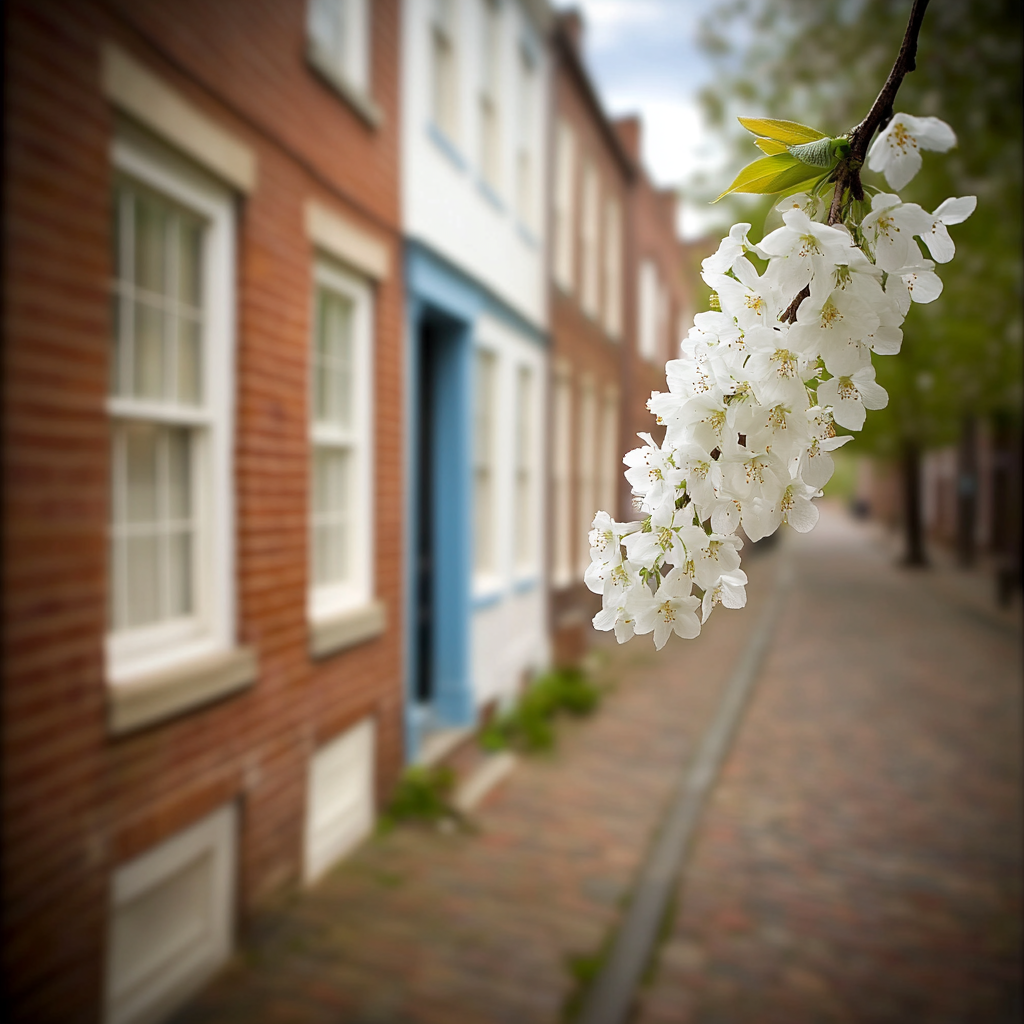
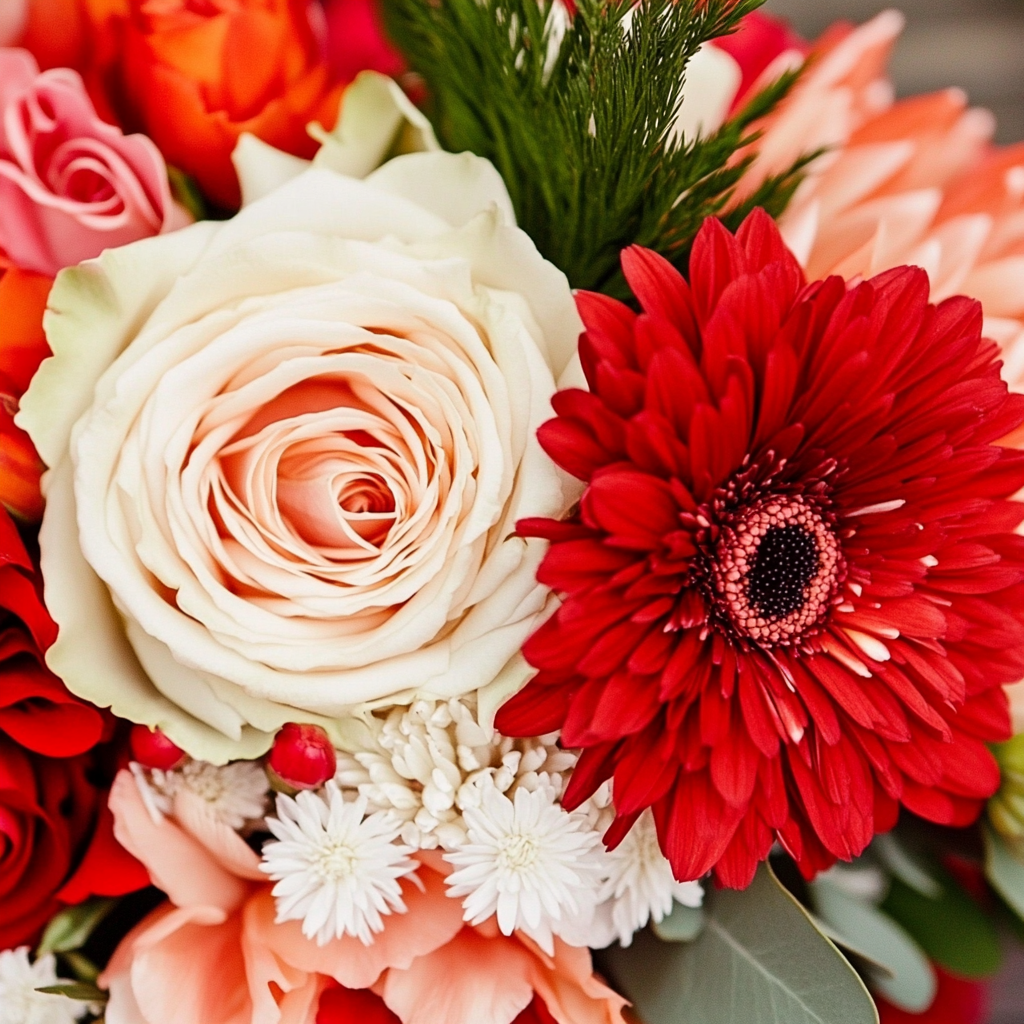
Certain flowers have become particularly synonymous with Virginia’s horticultural heritage. The Virginia dogwood (Cornus florida) is, of course, the state flower, representing beauty and rebirth. Its delicate white bracts (often mistaken for petals) were frequently incorporated into arrangements, symbolizing purity and grace. Roses, cherished by Jefferson and many others, represented love and beauty, with different colors carrying specific meanings – red for passionate love, pink for gratitude, and white for innocence. Lavender, brought to Virginia by early settlers, signified devotion and caution, adding a fragrant and symbolic element to bridal bouquets.
Beyond these staples, consider the inclusion of:
- Sweet Alyssum: Representing worth beyond beauty.
- Foxglove: Symbolizing insincerity (used cautiously, perhaps as a playful contrast!).
- Peonies: Representing prosperity and good fortune.
- Black-Eyed Susans: A native wildflower representing faithfulness and enduring affection – a nod to Virginia’s natural beauty and a sustainable choice for modern brides.
From Colonial Gardens to Modern Bouquets: Trends & Interpretations
The modern interpretation of colonial bouquets isn’t about rigid replication. Instead, it’s about capturing the essence of the era – the naturalism, the symbolism, and the connection to the land – while incorporating contemporary design sensibilities. Several trends are emerging:
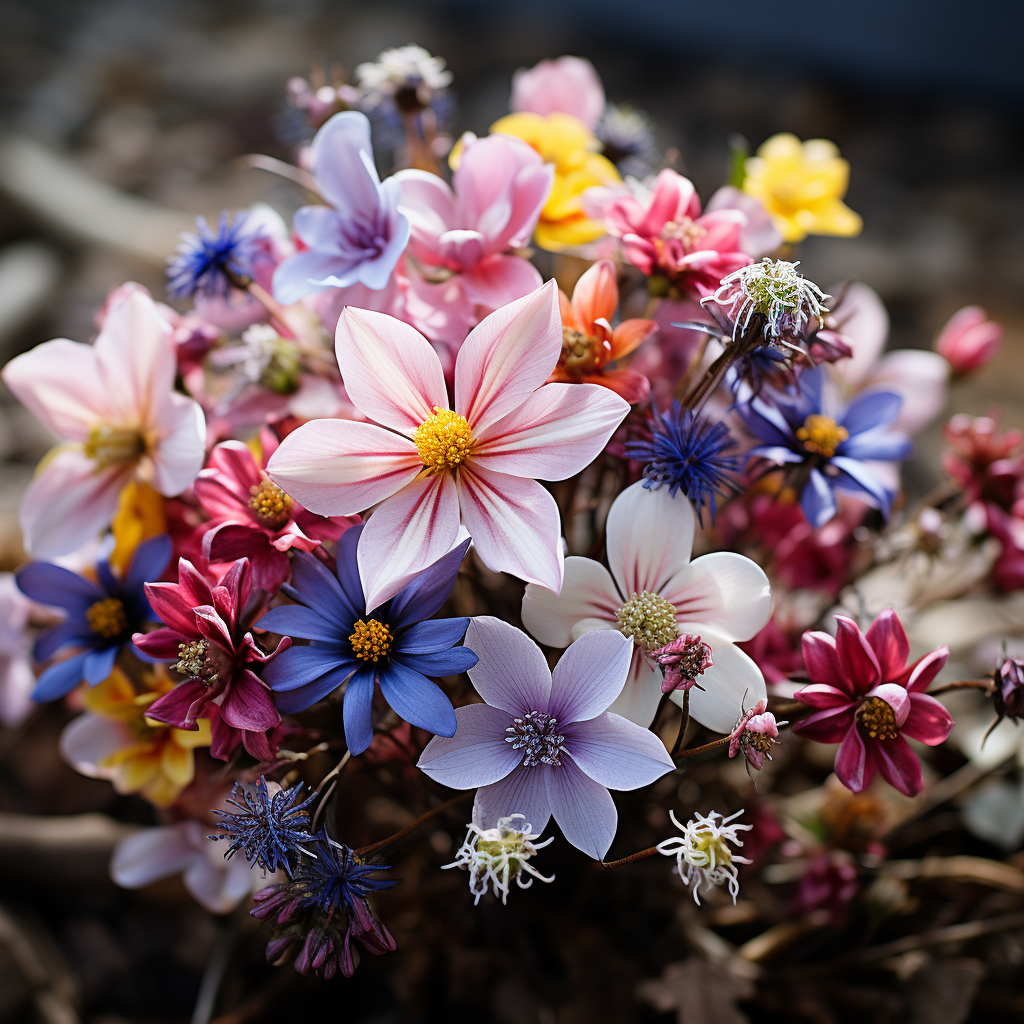
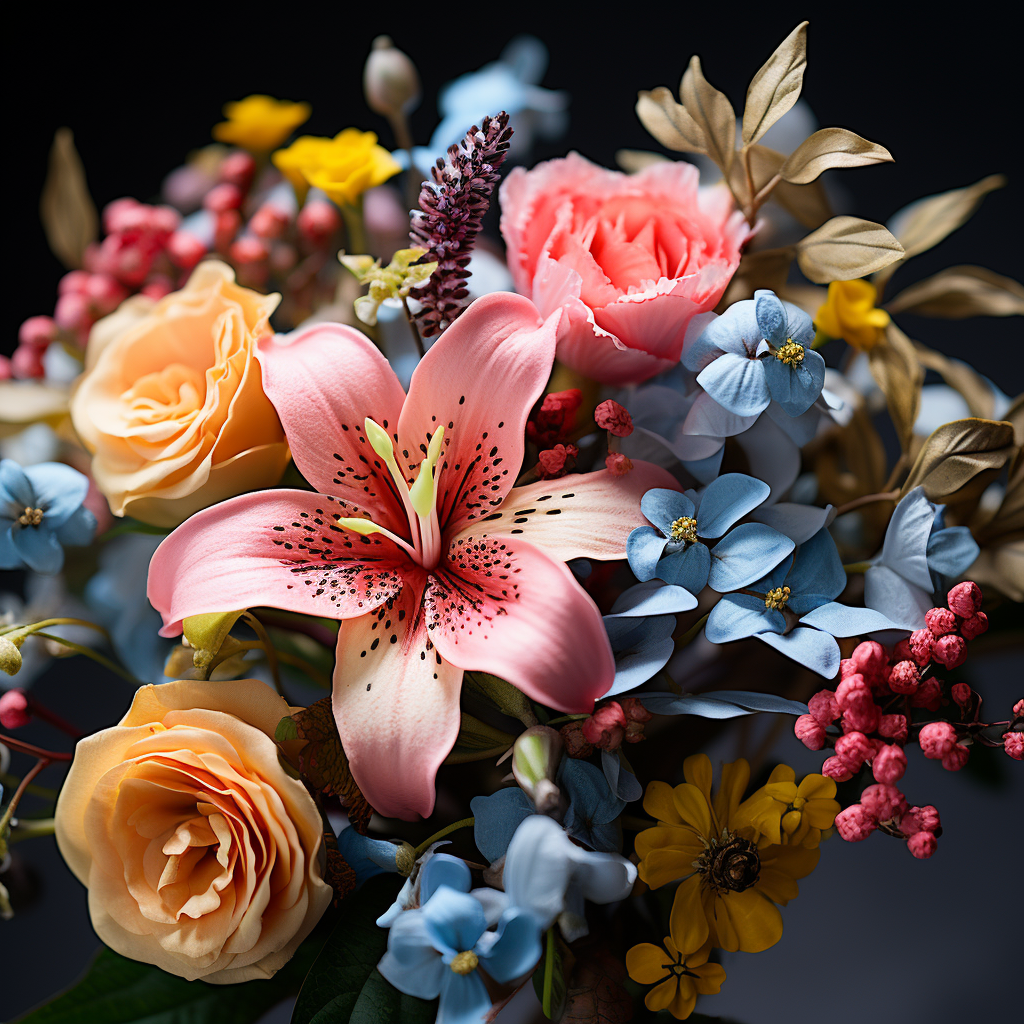
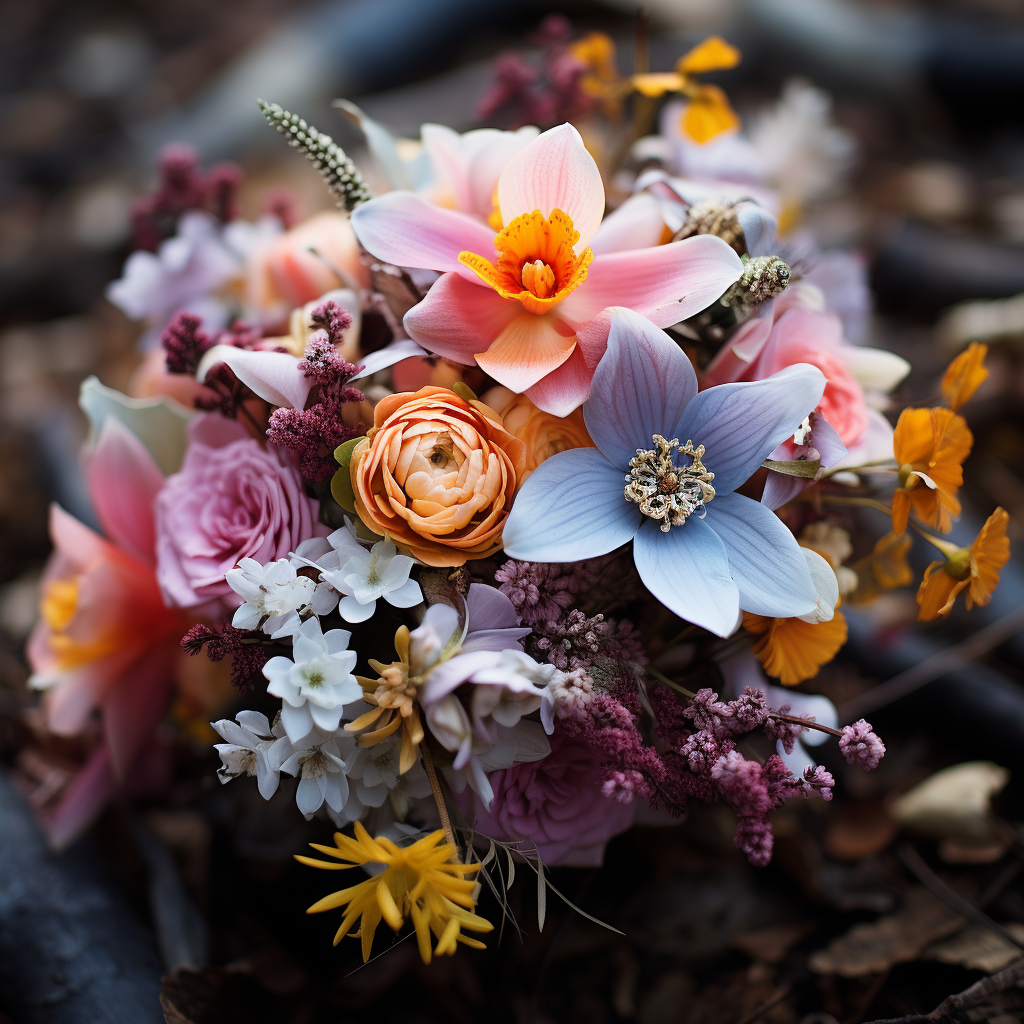
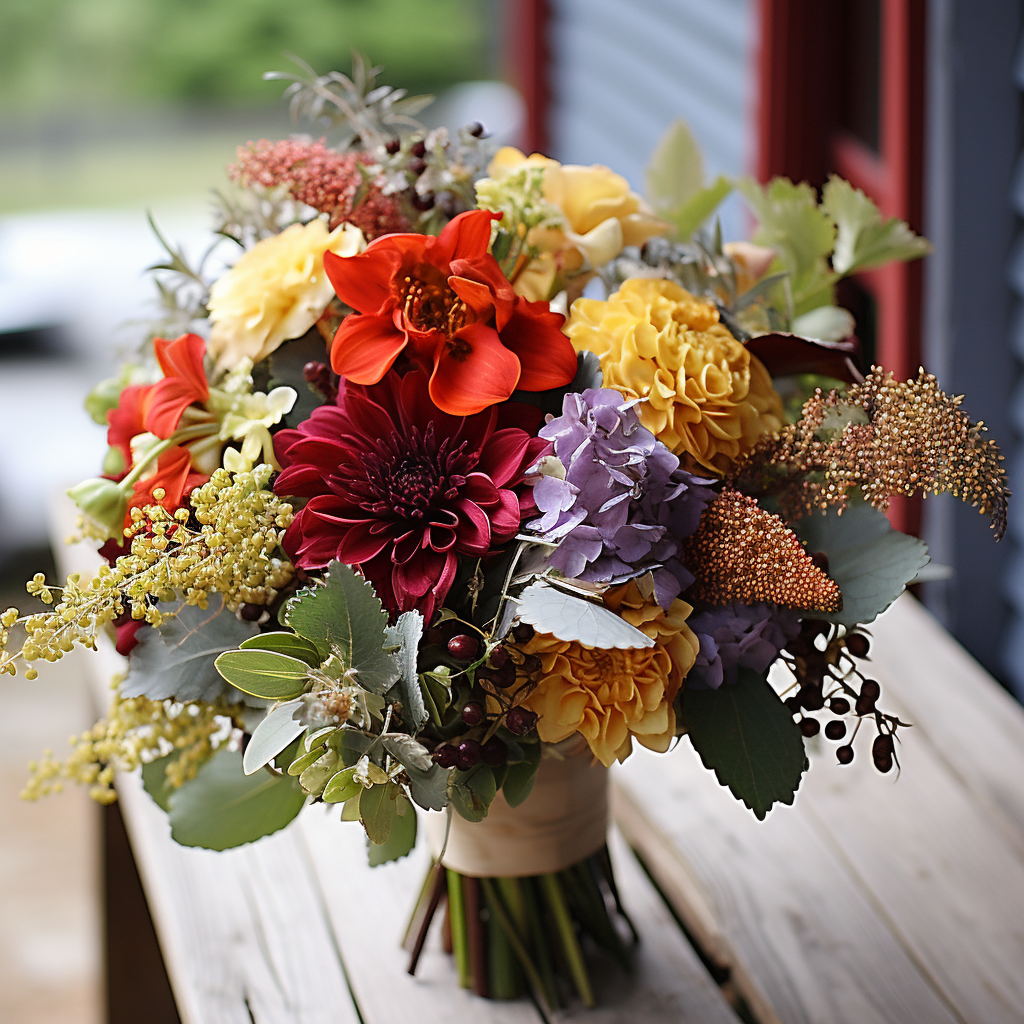
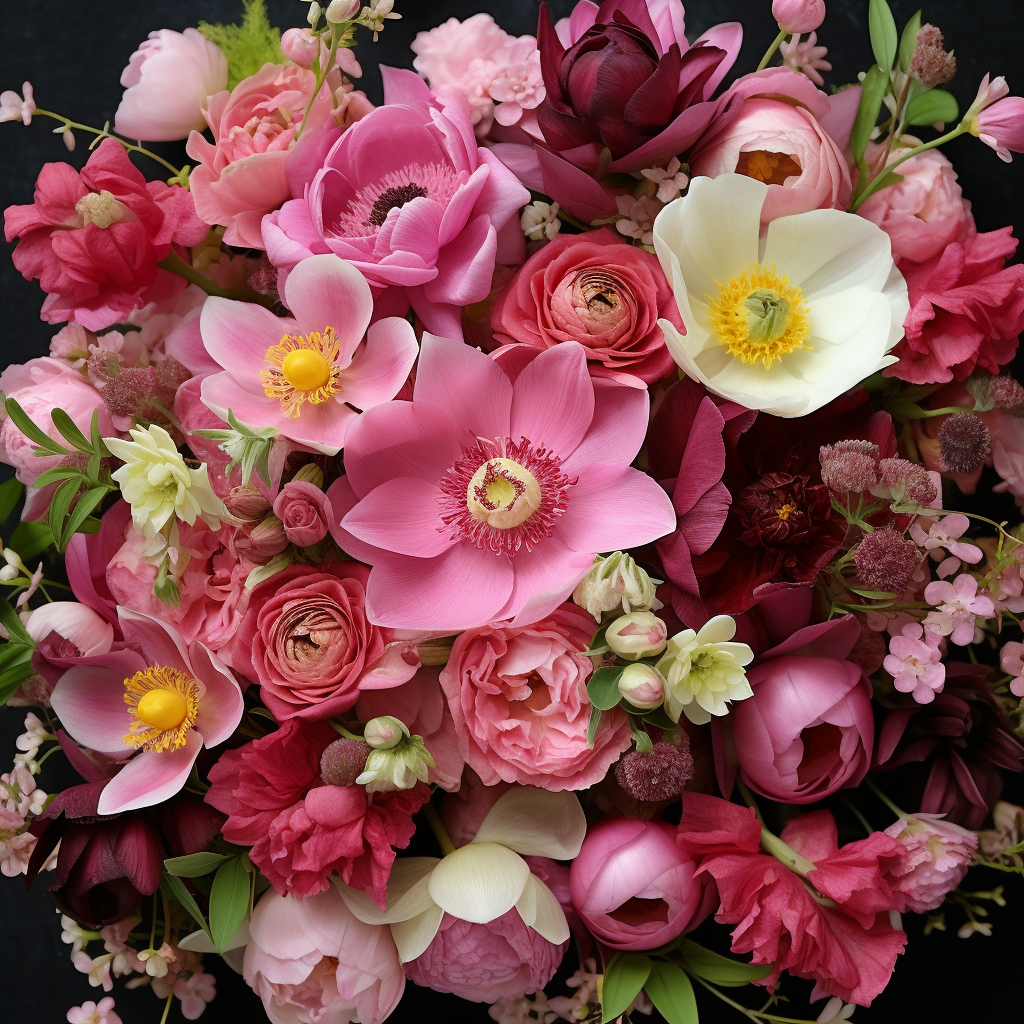
1. Loose, Organic Arrangements: Moving away from tightly-packed, symmetrical bouquets, modern designers favor looser, more natural arrangements that mimic the wild beauty of a colonial garden. This style often incorporates trailing greenery and varying heights, creating a sense of movement and whimsy.
2. Heirloom Varieties: A growing interest in heirloom rose varieties – those dating back to before the 20th century – allows brides to incorporate authentic blooms with unique fragrances and colors. These varieties, often sourced from specialized growers, add a layer of historical authenticity.
3. Sustainable Floristry: Virginia brides are increasingly seeking locally-grown, seasonal flowers to minimize their environmental impact. This aligns perfectly with the colonial ethos of self-sufficiency and a