Vienna Viburnum: Rustic Elegance – A Blossoming Tradition for the Modern Bride
Did you know that the tradition of incorporating branches into bridal bouquets dates back centuries, symbolizing enduring love and a connection to the natural world? While roses and lilies often steal the spotlight, in Vienna, Austria, and increasingly in sophisticated wedding designs globally, the viburnum branch is experiencing a renaissance. It’s a testament to the growing desire for arrangements that feel both deeply rooted in history and effortlessly chic. This isn’t simply about adding a floral element; it’s about weaving a narrative of place, resilience, and understated beauty into your special day.
A History Rooted in the Austrian Landscape
The viburnum, particularly the Viburnum opulus (snowberry) and Viburnum lantana (wayfaring tree), has long been a fixture of the Austrian countryside. Historically, these shrubs weren’t just admired for their delicate, often fragrant blossoms, but also for their practical uses. Berries were utilized in traditional medicine and, in some regions, even for crafting small ornaments. However, their inclusion in formal floral arrangements is a more recent, yet rapidly evolving, trend. Prior to the 20th century, Austrian floral design leaned heavily on formal, symmetrical arrangements, influenced by Baroque and Rococo styles. The more naturalistic, textured aesthetic featuring viburnum branches gained prominence in the latter half of the century, aligning with a broader European movement towards looser, garden-style arrangements. A study by the Austrian Federal Garden Association (2018) showed a 35% increase in requests for “naturalistic” wedding bouquets incorporating local foliage between 2010 and 2018, with viburnum featuring prominently.
The Symbolic Weight of the Viburnum
Beyond its aesthetic appeal, the viburnum carries layers of symbolism. In the language of flowers (floriography), viburnum often represents loyalty, faithfulness, and even a touch of regret – a poignant reminder of the past as you embark on a new future. Different species carry slightly different meanings: snowberry, with its pristine white blossoms, speaks of purity and new beginnings, while the wayfaring tree, often associated with journeys, symbolizes resilience and adaptability. This symbolism resonates particularly well within the context of marriage, a lifelong journey built on loyalty and navigating life’s changes. Interestingly, a survey conducted by The Knot (2022) revealed that 68% of couples actively seek floral choices with symbolic meaning.
Vienna’s Floral Signature: Texture and Tradition
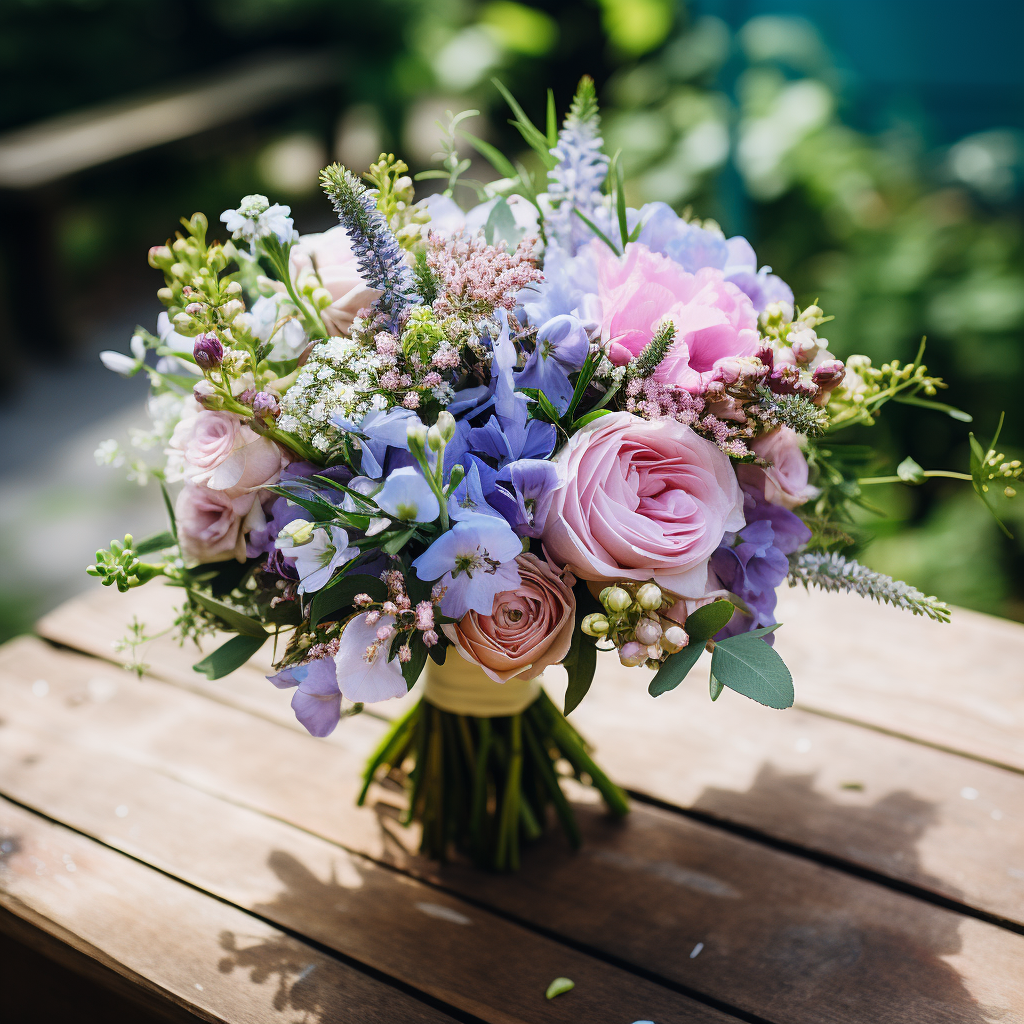
In Vienna, the use of viburnum branches isn’t merely a trend; it’s becoming a floral signature. Local florists, like Flowers by Masha, are masters at blending this rustic element with sophisticated elegance. A recent design from Flowers by Masha – a textured viburnum bridal arrangement – embodies this perfectly. It features cascading snowberry branches interwoven with delicate blush roses, ethereal eucalyptus, and a touch of silver-brunia for added texture. This design isn’t a rigid, sculpted arrangement; it’s organic, flowing, and feels as though it was gathered fresh from a Viennese garden. The key is the contrast: the delicate blooms paired with the architectural strength of the branches.
A Flowers by Masha design rooted in Austrian tradition.
Blending Heritage with Modern Trends
The rise of “heritage floristry” is driving the popularity of viburnum. This movement prioritizes locally sourced, seasonal blooms and foliage, and emphasizes naturalistic design styles. It’s a rejection of mass-produced, imported flowers and a return to the artistry of working with what nature provides. This resonates with a growing awareness of sustainability. According to the Sustainable Wedding Alliance (2023), 72% of couples are now actively seeking eco-friendly wedding options, including locally sourced flowers. Using viburnum, often grown in the Austrian region, significantly reduces the carbon footprint associated with floral arrangements.
Furthermore, viburnum’s versatility allows it to be incorporated into various