The Language of Love: Unveiling the Symbolism and Art of Bridal Flowers
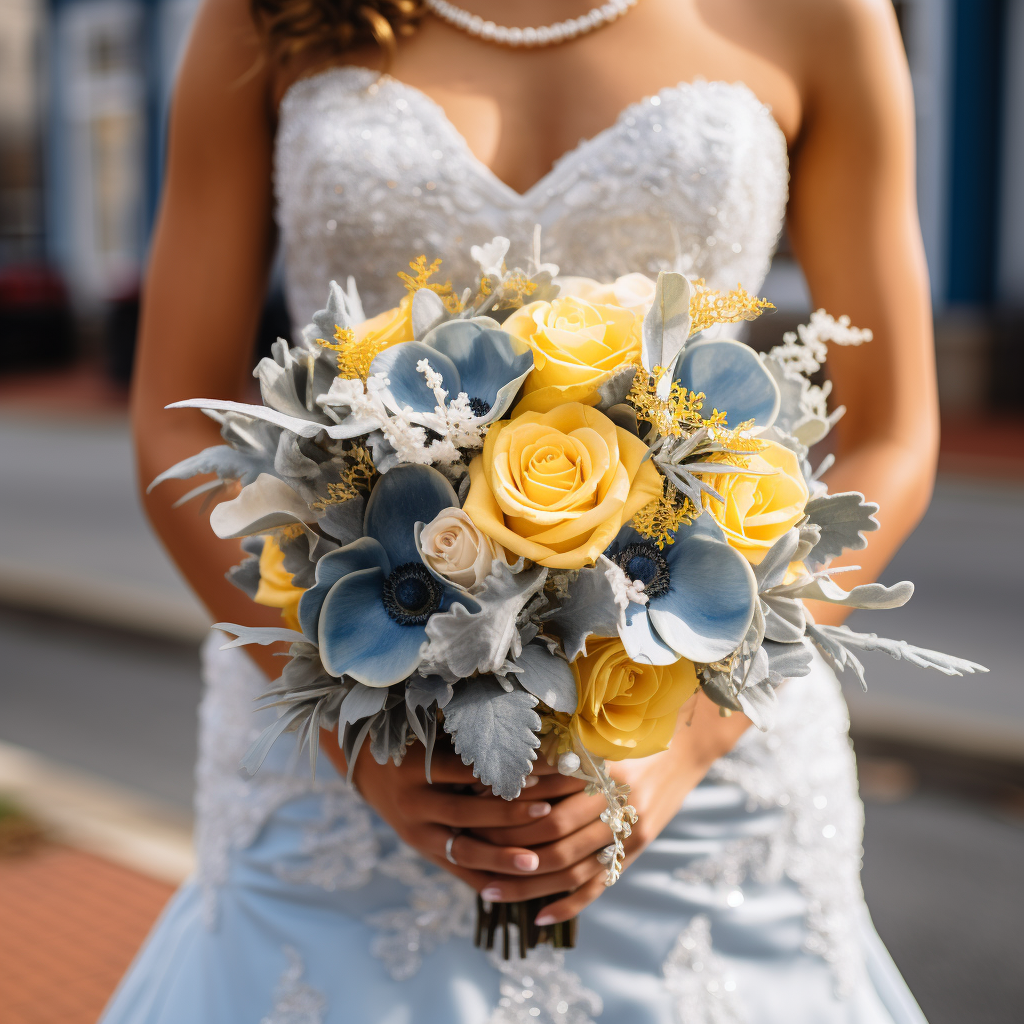
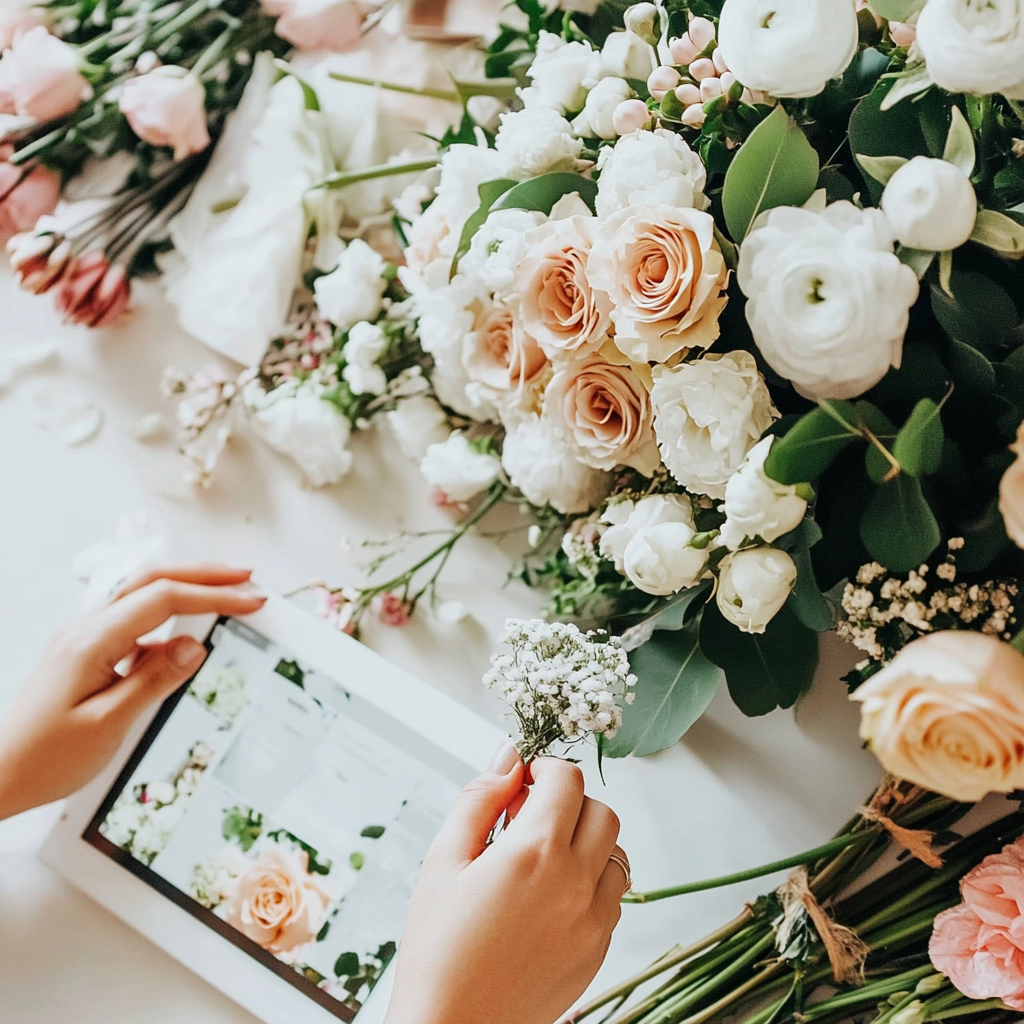
More than mere decorations, wedding flowers whisper stories. They are a silent language of love, hope, and commitment, woven into the fabric of one of life’s most significant moments. For centuries, flowers have carried profound meanings, and choosing them for your wedding is an opportunity to imbue your celebration with layers of personal significance. At Flowers by Masha, we believe in crafting floral arrangements that are not only visually stunning but also deeply resonant with your unique love story. We don’t just arrange flowers; we translate emotions into colorful arrangements, creating a lasting memory of your special day.
The Ancient Art of Floriography: Decoding Flower Meanings
The practice of assigning meanings to flowers, known as floriography, dates back to Victorian England, where societal constraints limited open expressions of emotion. Flowers became a subtle, yet powerful, way to communicate feelings. While the Victorian code has evolved, the underlying symbolism remains. Understanding these meanings allows you to intentionally shape the narrative of your wedding through your floral choices.
- Roses: Universally recognized as symbols of love and passion, different colors convey nuanced messages. Red roses represent deep, enduring love, while white roses symbolize purity and innocence. Pink roses often signify admiration and gratitude.
- Peonies: These lush blooms represent prosperity, good fortune, and a happy marriage. Their full, rounded shape is often associated with abundance and romance.
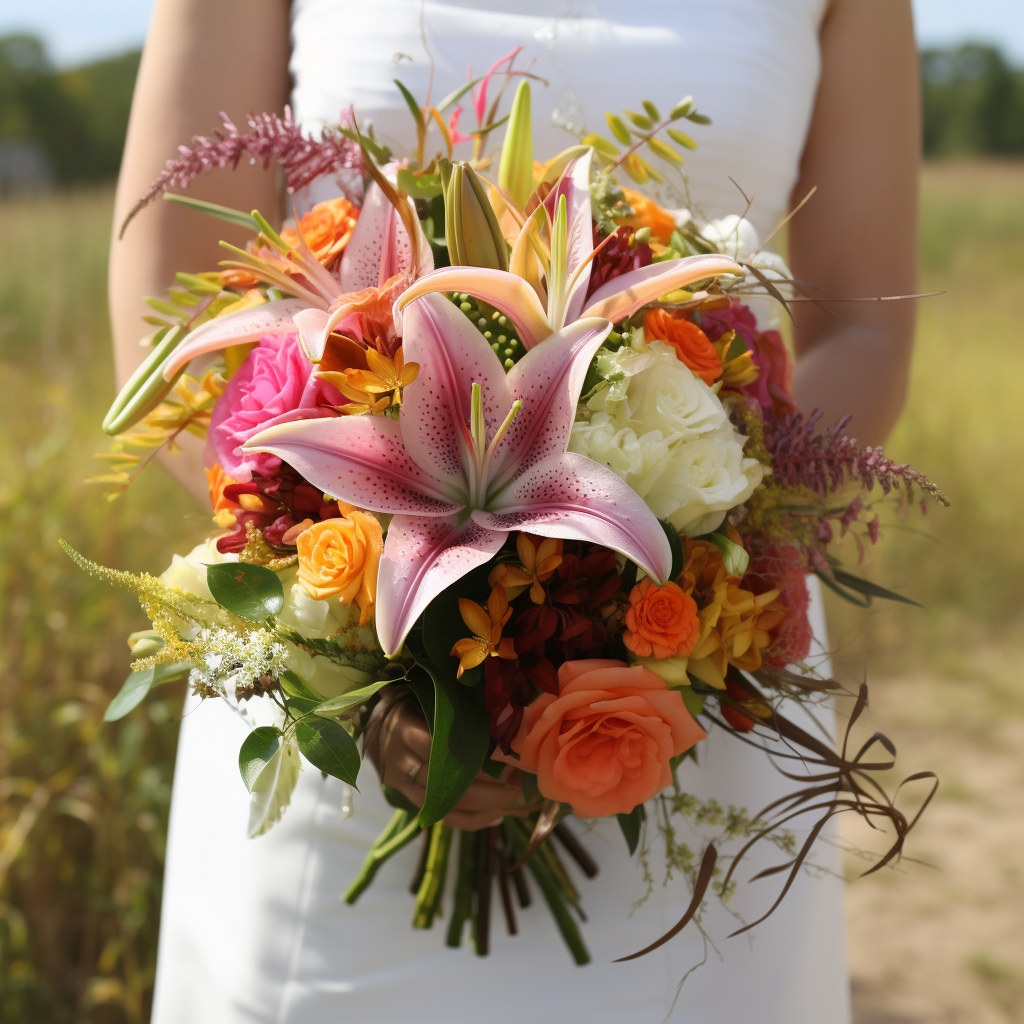
- Lilies: Embodying purity, devotion, and rebirth, lilies are a classic choice for weddings. Stargazer lilies are particularly striking, while white lilies offer a more traditional and serene aesthetic.
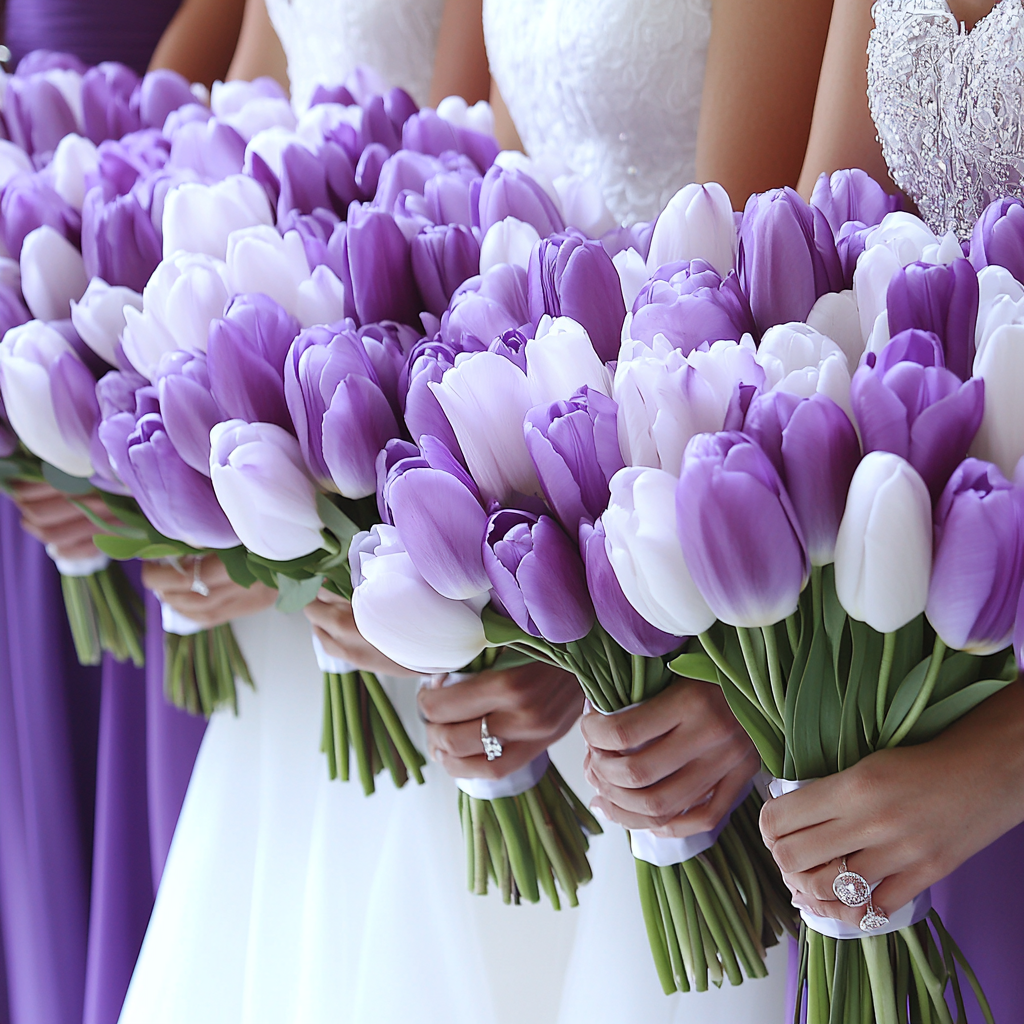
- Tulips: A vibrant symbol of perfect love, tulips bring joy and cheerfulness to any arrangement. Their diverse colors offer a playful touch and represent different emotions – red for a declaration of love, yellow for cheerful thoughts, and white for forgiveness.
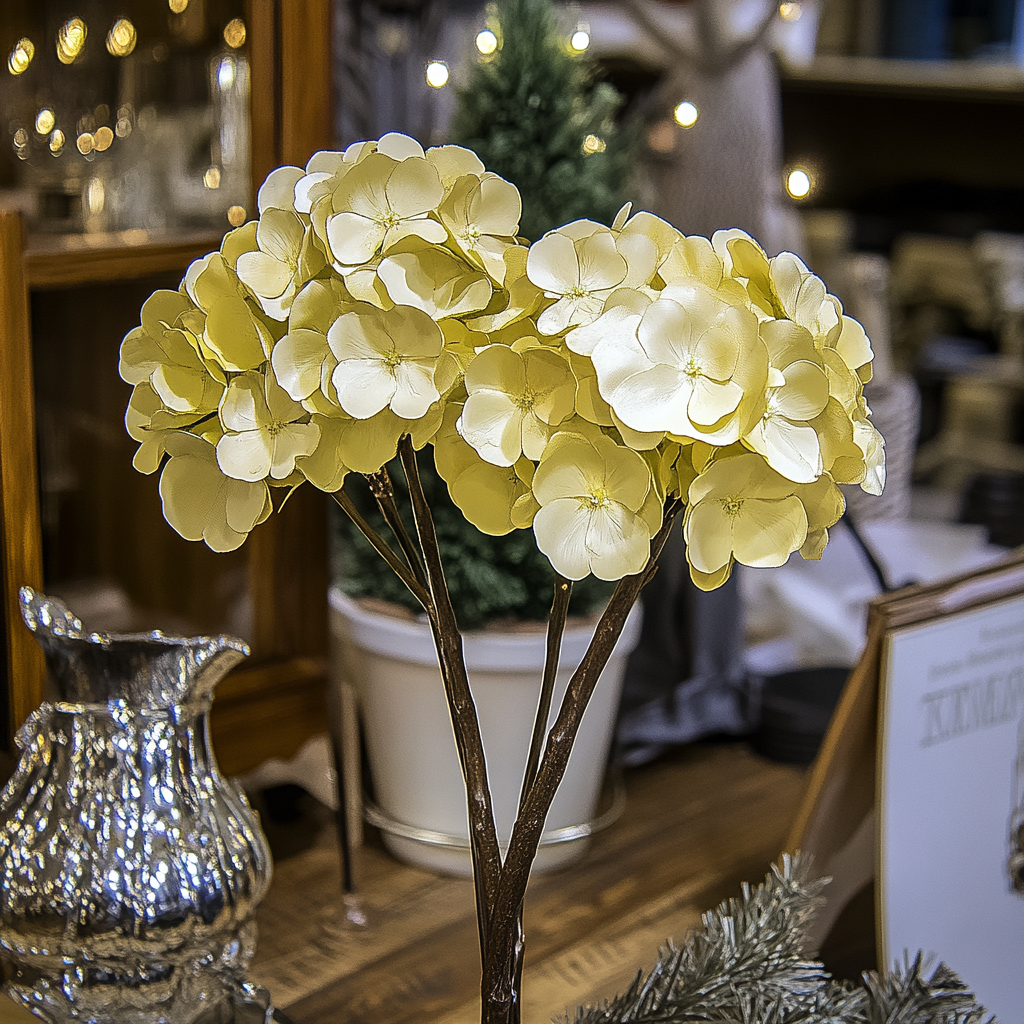
- Hydrangeas: Representing gratitude, grace, and beauty, hydrangeas add a touch of elegance and sophistication.
These are just a few examples. Each flower holds a unique story, and the possibilities for creating a meaningful arrangement are endless.
Seasonal Blooms: Harnessing Nature’s Palette
Beyond symbolism, the season in which you marry significantly impacts flower availability and aesthetic. Choosing blooms that are in season not only ensures freshness and vibrancy but also often translates to cost savings.
- Spring (March-May): Tulips, hyacinths, daffodils, and lilacs burst forth, offering a palette of delicate pastels and cheerful hues.
- Summer (June-August): Roses, peonies, sunflowers, and dahlias flourish, providing bold colors and abundant blooms.
- Autumn (September-November): Chrysanthemums, asters, and dahlias offer warm, earthy tones, complemented by berries and foliage.
- Winter (December-February): Amaryllis, camellias, and evergreens provide a touch of elegance and resilience amidst the colder months.
Planning your wedding date around your favorite blooms is a wonderful way to personalize your celebration. We at Flowers by Masha are experts at maximizing seasonal beauty, ensuring your arrangements reflect the natural splendor of your chosen time of year.
The Psychology of Color in Wedding Florals
Color wields a powerful influence on our emotions. In the context of a wedding, carefully considering color psychology can enhance the overall atmosphere and convey the desired mood.
- White: Represents purity, innocence, and new beginnings. A classic choice for traditional weddings.
- Red: Symbolizes passion, love, and energy. Ideal for couples seeking a bold and romantic statement.
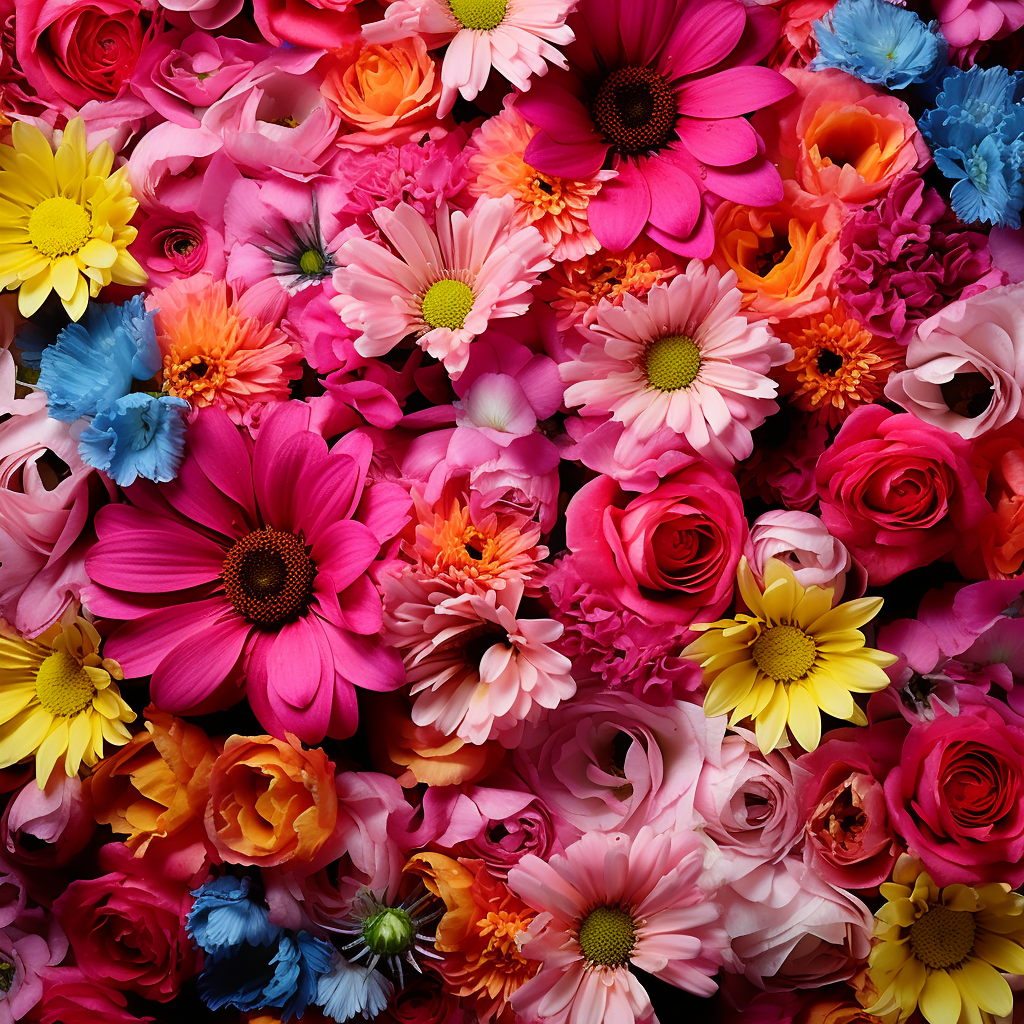
- Pink: Evokes romance, gentleness, and sweetness. Perfect for softer, more intimate celebrations.
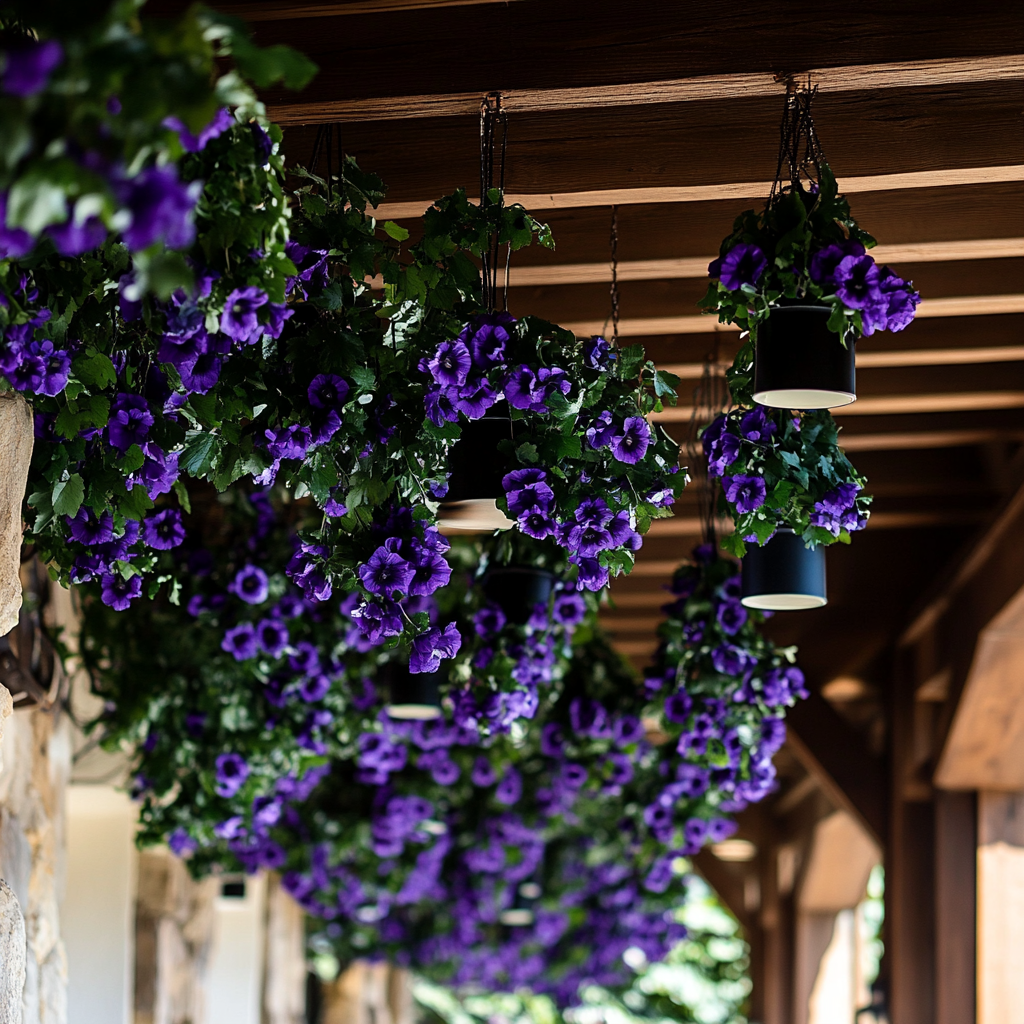
- Purple: Represents royalty, luxury, and creativity. Adds