The Language of Love: Unveiling the Symbolism and Art of Bridal Flowers
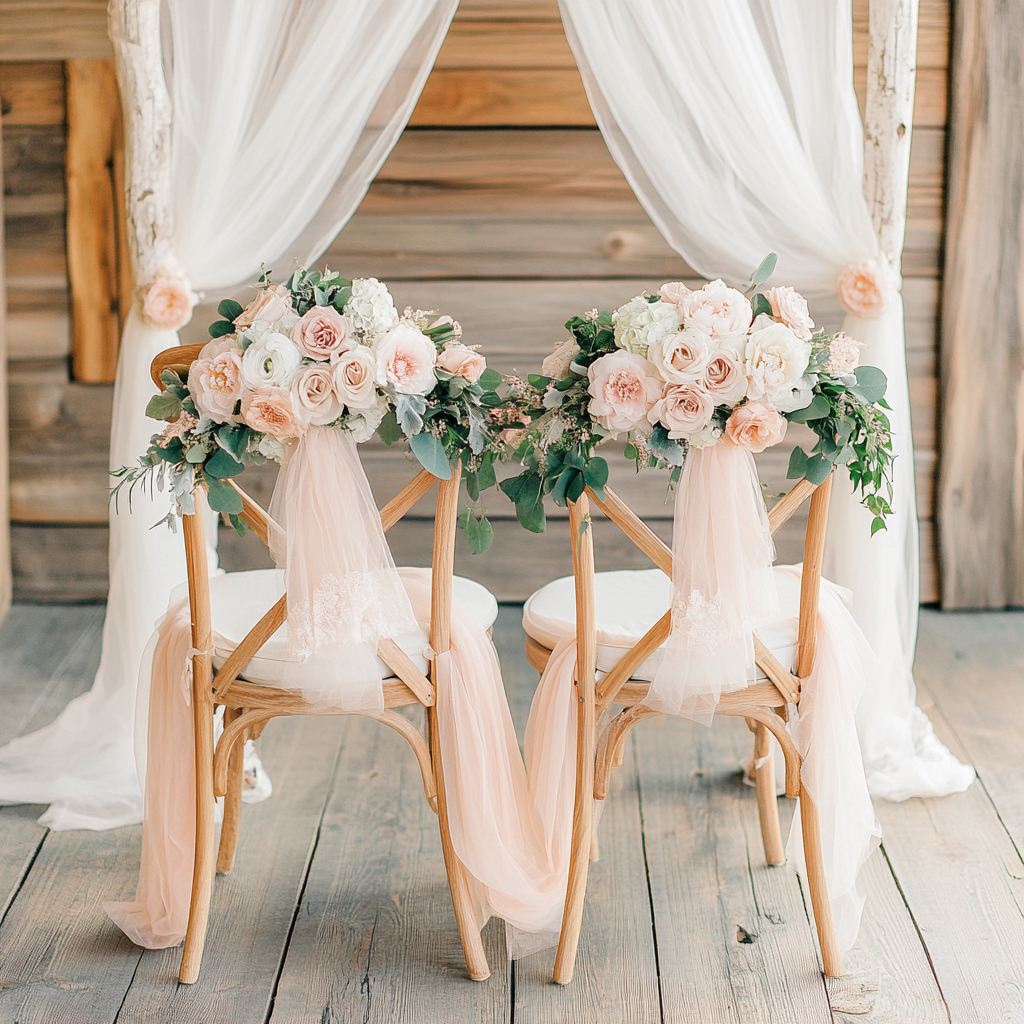
Flowers are far more than mere decorations at a wedding; they are a silent, eloquent language, whispering stories of love, hope, and new beginnings. For centuries, blooms have carried deeply rooted meanings, adding layers of significance to one of life’s most cherished celebrations. Choosing the right flowers isn’t simply about aesthetic appeal – it’s about crafting a narrative, reflecting your unique love story, and setting the tone for a lifetime of happiness. At Flowers by Masha, we believe in the power of these floral narratives, meticulously crafting arrangements that resonate with your individual journey and create an atmosphere of cheerful vibes and rustic elegance.
Decoding the Floral Lexicon: A History of Flower Meanings
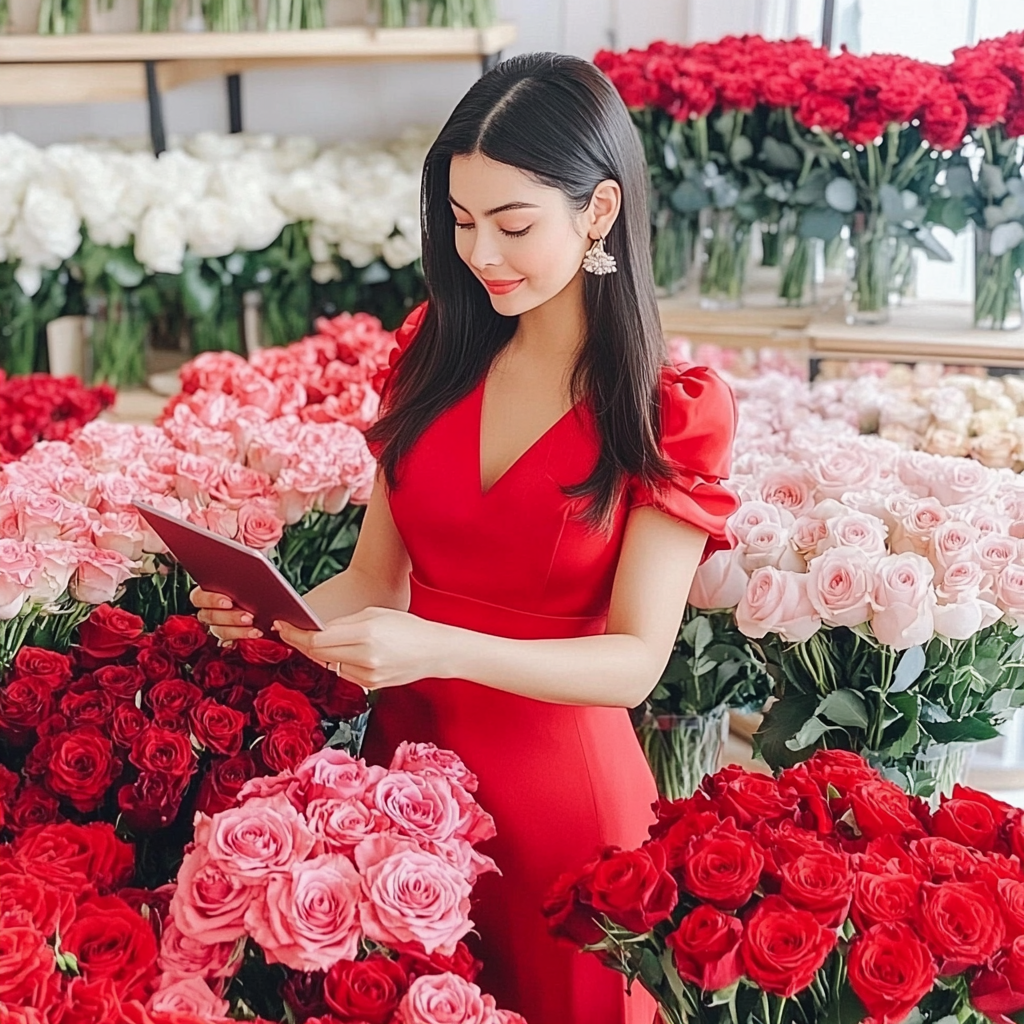
The practice of assigning meaning to flowers, known as floriography, blossomed (pun intended!) during the Victorian era. Constrained by social etiquette, Victorians used flowers to express emotions that were otherwise unspoken. This tradition has endured, and understanding these historical meanings can add profound depth to your wedding florals. For example, roses, universally recognized, symbolize love and passion – red roses conveying deep affection, while white represents purity and innocence. Peonies, often associated with prosperity, good fortune, and a happy marriage, are a popular choice for spring and early summer weddings. Lilies, embodying purity, devotion, and rebirth, are frequently featured in religious ceremonies or for brides wishing to symbolize a fresh start. It’s important to remember these aren’t rigid rules, but rather a beautiful foundation for building a personalized floral story. Research from the University of Pennsylvania’s horticultural department (cited in “The Victorian Flower Garden” by Caroline Warwick) demonstrates a clear correlation between specific floral scents and emotional responses, further highlighting the power of flowers to evoke feelings.
Seasonal Blooms: Nature’s Palette for Your Special Day
The time of year your wedding takes place dramatically influences the availability and symbolism of flowers. Choosing blooms that are in season not only ensures freshness and cost-effectiveness but also aligns your celebration with the natural rhythms of the year.
- Spring (March-May): Tulips (perfect love), hyacinths (playfulness), daffodils (new beginnings), ranunculus (charm), sweet peas (delicate pleasures).
- Summer (June-August): Sunflowers (adoration, loyalty – radiating joy and warmth, perfect for outdoor or country-themed weddings), dahlias (dignity and elegance), zinnias (lasting affection), lavender (devotion).
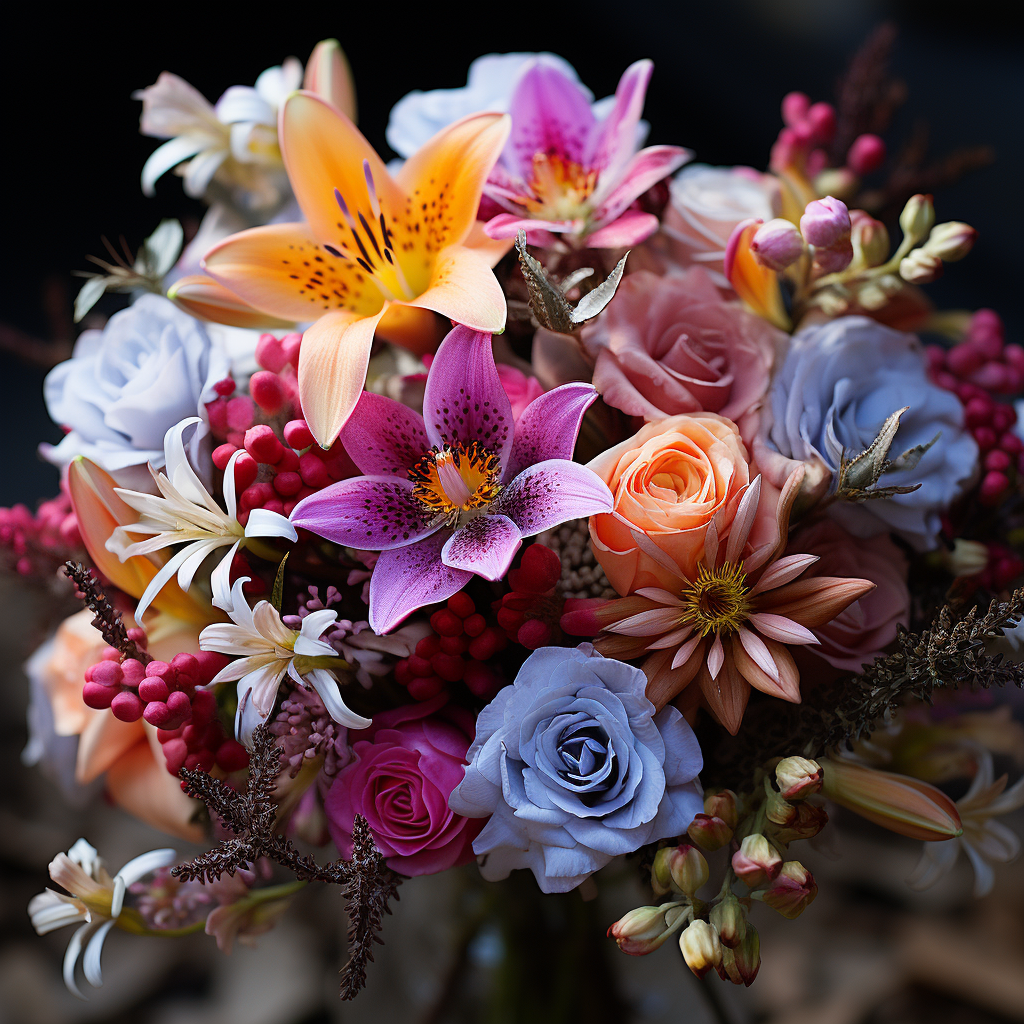
- Autumn (September-November): Chrysanthemums (optimism and joy), asters (love and patience), celosia (good luck), berries (abundance).
- Winter (December-February): Amaryllis (pride and radiant beauty), camellias (love, admiration, and good luck), hellebores (serenity).
Understanding seasonal availability is crucial. For example, while peonies are highly sought after, their peak season is short – typically late spring to early summer. Trying to source them out of season can be significantly more expensive and potentially compromise their quality. Flowers by Masha expertly navigates these seasonal nuances, ensuring your vision comes to life with the freshest, most vibrant blooms.
The Psychology of Color: Setting the Mood with Hues
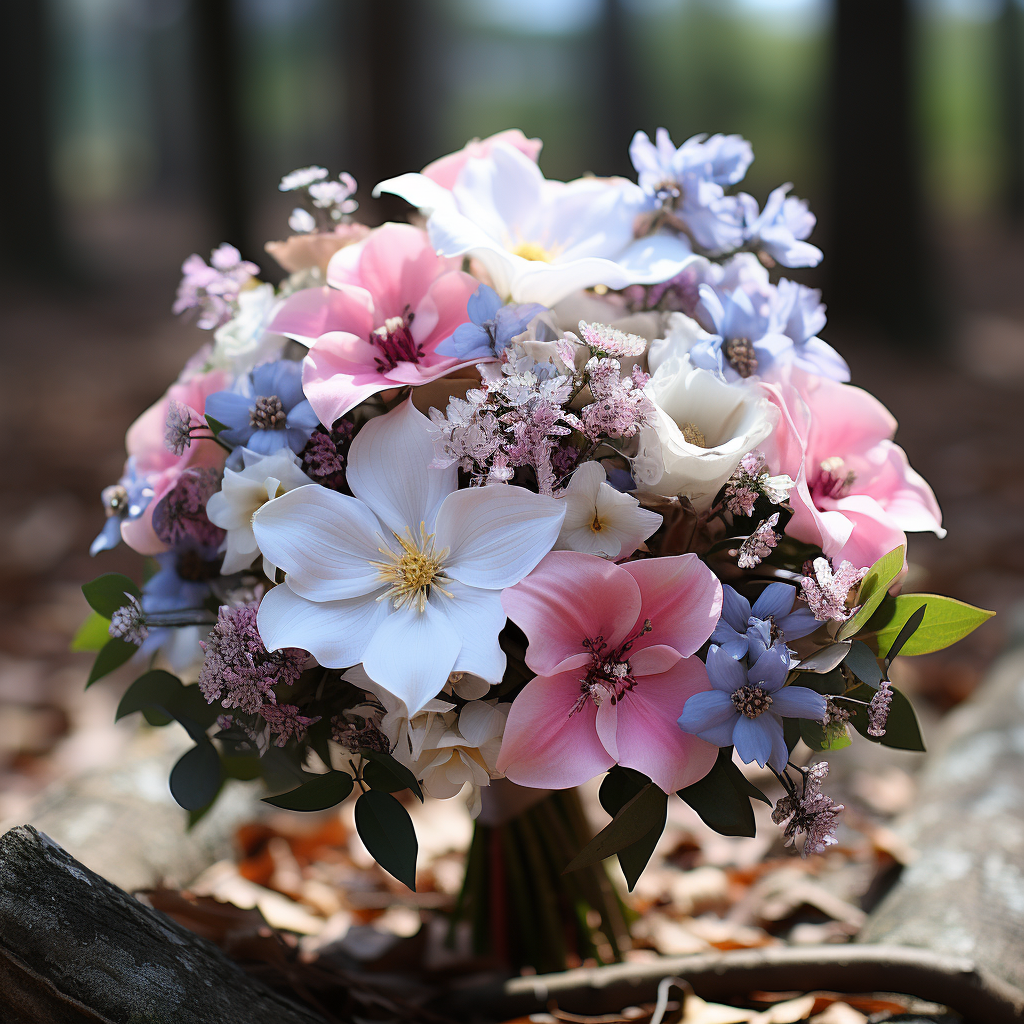
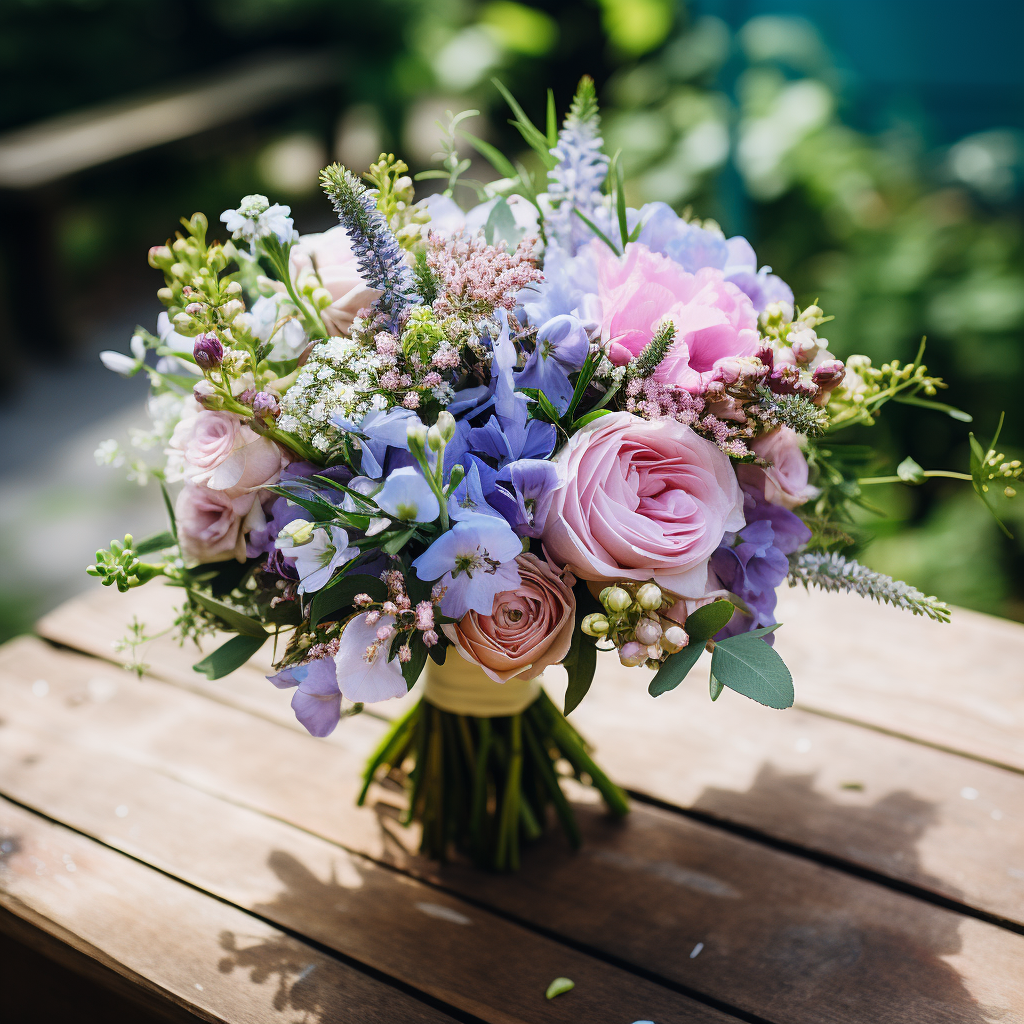
Color plays a vital role in setting the emotional tone of your wedding. Color psychology is a powerful tool when selecting your floral palette. White, representing purity, innocence, and new beginnings, is a classic bridal choice. Red, the color of passion and energy, signifies deep love and commitment. Pastels – blush pinks, lavender, and soft blues – evoke romance, tenderness, and serenity. Consider the overall aesthetic you’re aiming for. A bold, vibrant palette can create a lively and energetic atmosphere, while a softer, more muted palette fosters intimacy and tranquility. Recent studies in environmental psychology (Journal of Environmental Psychology, 2022) indicate that exposure to specific color palettes can influence mood and even perceived levels of happiness – something to contemplate when designing your wedding florals.
Personalization: Weaving Your Story into Every Bloom
Your wedding