Colonial Blooms: Old Town Alexandria’s Rose Legacy & Modern Bridal Traditions
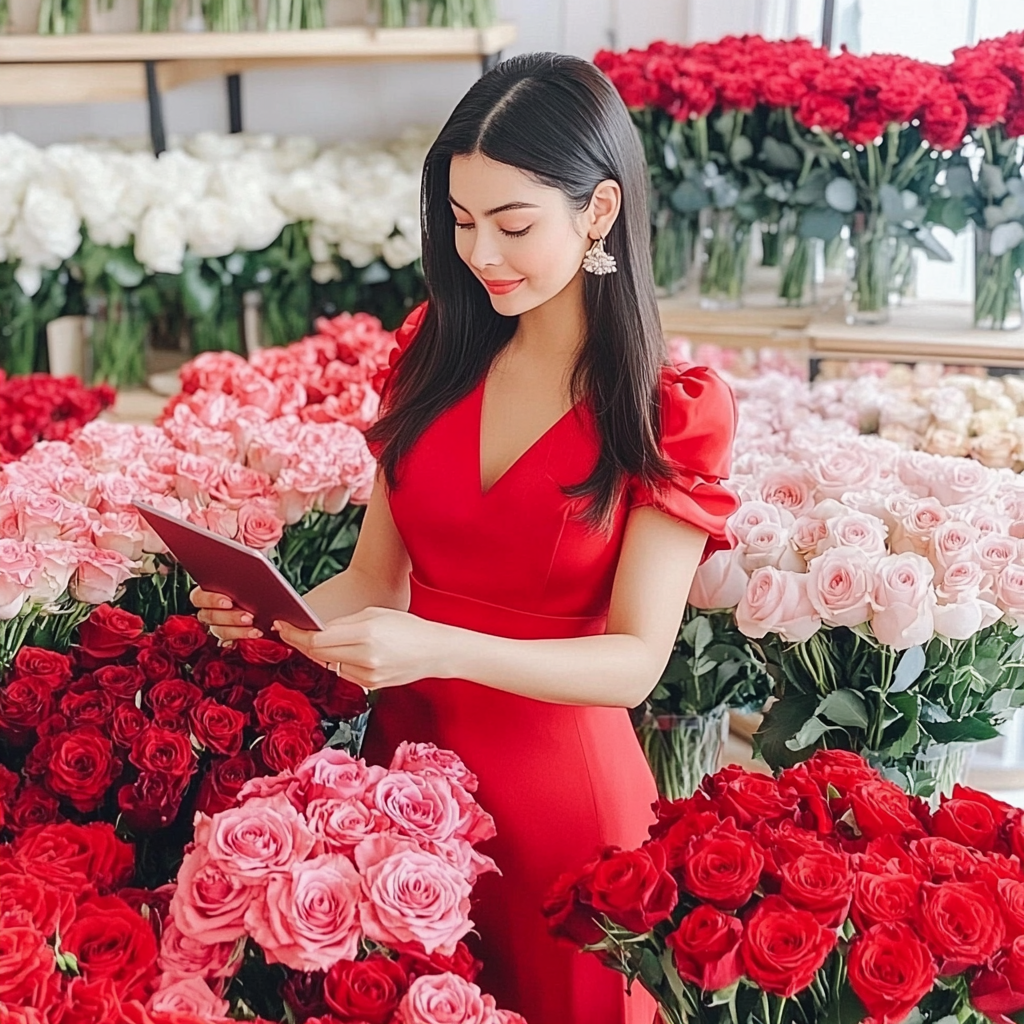
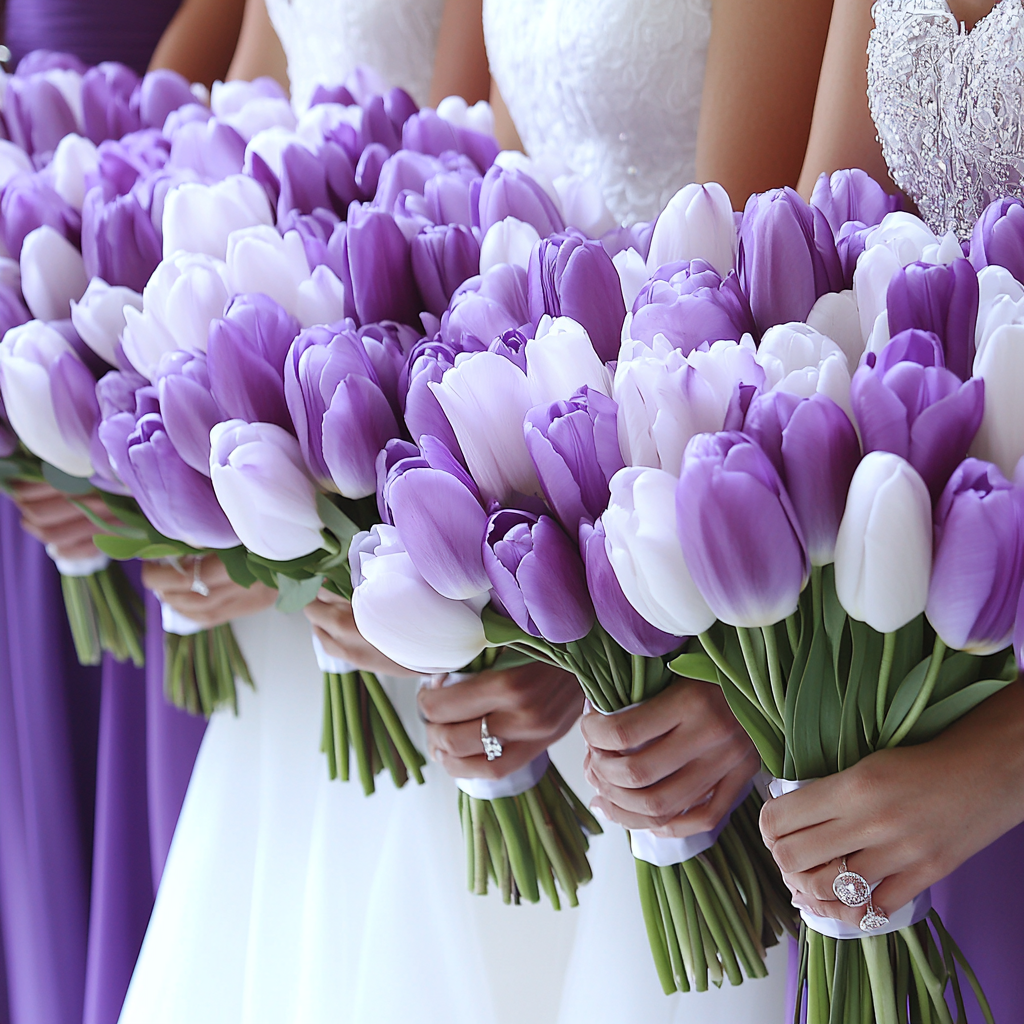
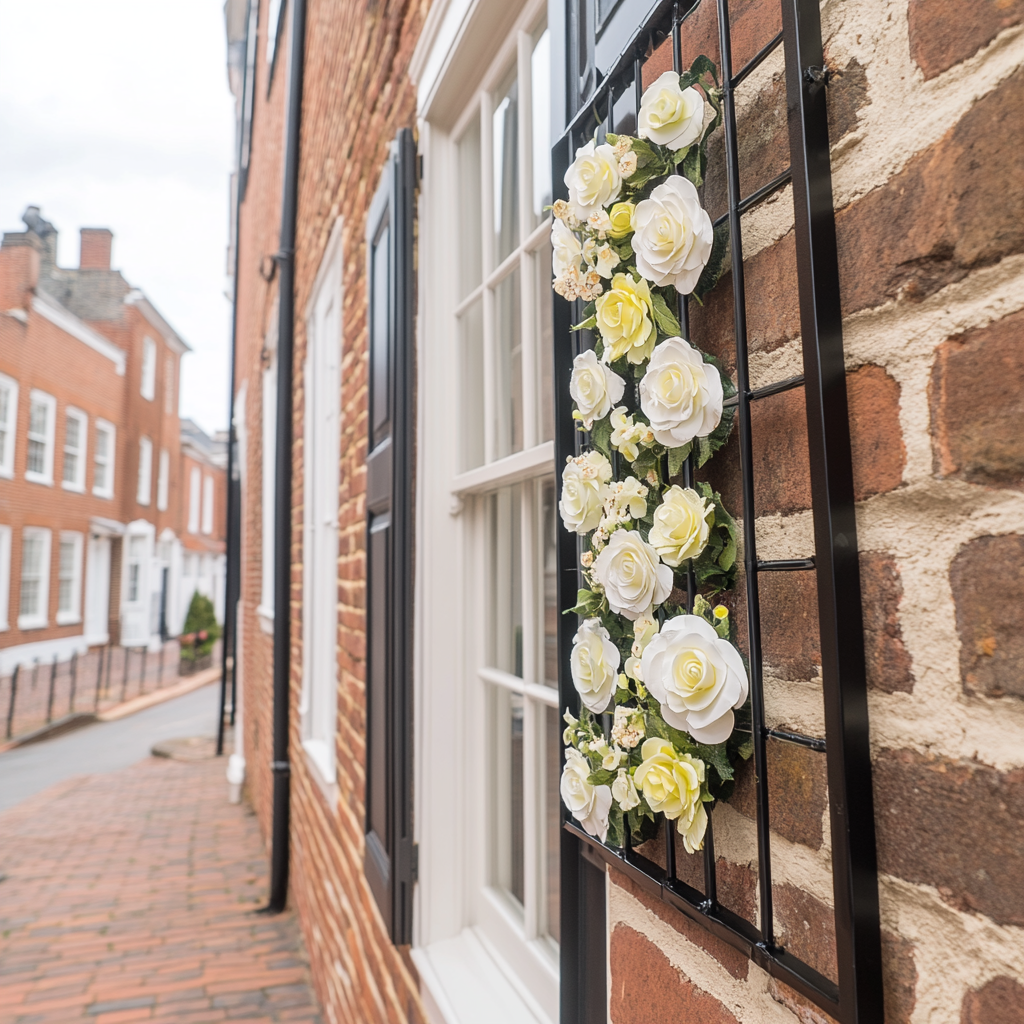
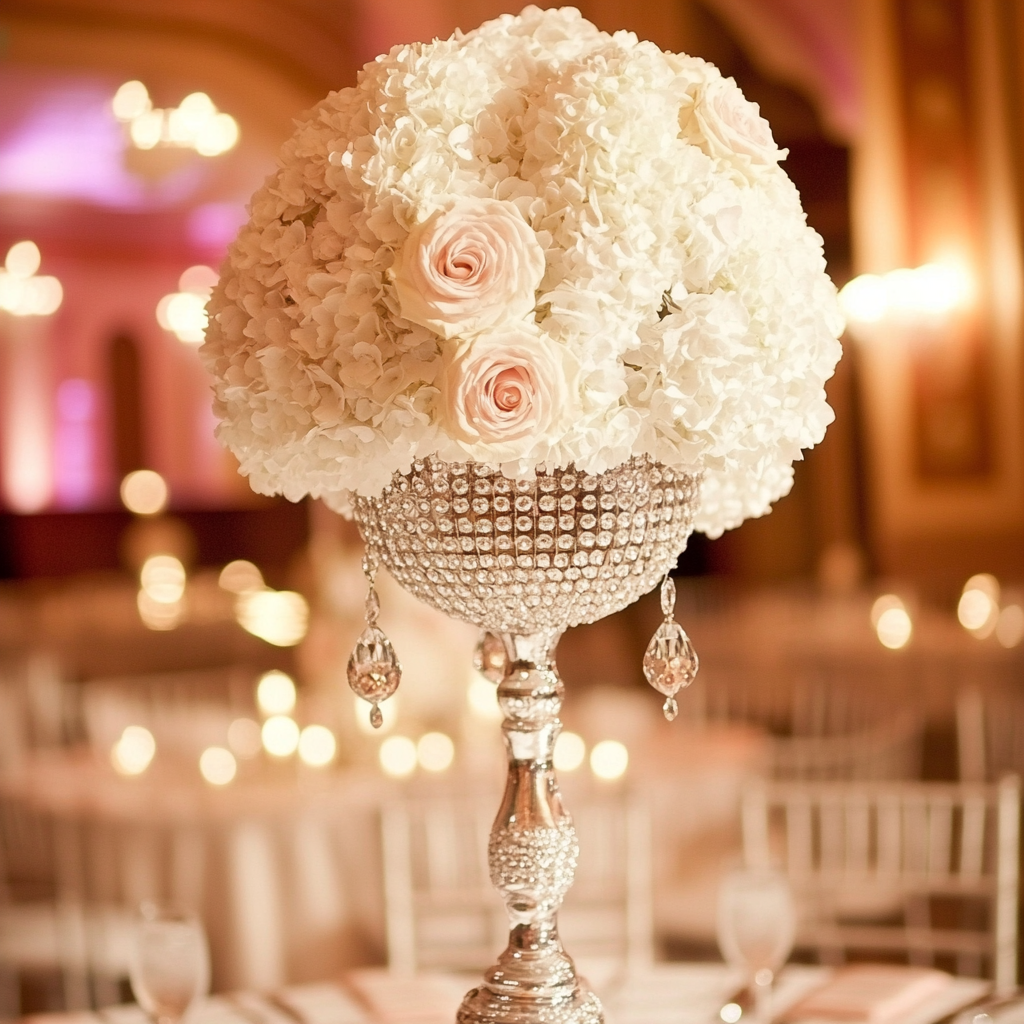
Did you know George Washington himself was a devoted rosarian? While often associated with Mount Vernon’s sprawling landscapes, the appreciation for roses deeply permeated the early life of Alexandria, Virginia, a bustling port city intrinsically linked to the nation’s first president. This love affair with Rosa, cultivated since colonial times, continues to blossom in Old Town Alexandria, shaping bridal bouquets and wedding aesthetics with a timeless elegance that blends historical reverence with contemporary floral design. Today, brides seeking a connection to the past, or simply a classically beautiful aesthetic, are increasingly drawn to the symbolic and visual richness of roses, reimagined for the 21st century.
A Rose-Tinted History: From Colonial Gardens to Victorian Sentiment
The presence of roses in Alexandria dates back to the 17th and 18th centuries, arriving with English settlers who brought their gardening traditions across the Atlantic. Early American gardens weren’t solely about aesthetics; they were functional, providing herbs, medicinal plants, and, of course, roses. Rosewater was a common cosmetic, and rosehips were used in teas and preserves. However, their symbolic weight began to truly flourish during the Victorian era. As documented in Charlotte de la Tour’s “The Language of Flowers” (1835), roses weren’t just beautiful; they carried specific meanings – red for love, pink for gratitude, white for purity, and yellow for friendship (though yellow’s association with jealousy developed later). This “floriography,” the art of communicating through flowers, profoundly influenced bridal bouquets. Victorian-era brides in Alexandria, as elsewhere, carefully curated their bouquets to express their feelings and hopes for the future. A bouquet containing a single red rose was a bold declaration of passionate love, while a mix of white roses and lilies symbolized purity and devotion.
Interestingly, the types of roses available then differed significantly from today’s hybrids. Gallica roses, Damask roses, and Alba roses were prevalent – intensely fragrant, often single-petaled varieties known for their hardiness. These weren’t the long-stemmed, perfectly formed roses we often see today, but their rustic charm and potent fragrance were highly prized. Local records from the Alexandria Historical Society indicate that rose cuttings were commonly exchanged between households, fostering a shared horticultural heritage.
Old Town Roses Today: Tradition Reimagined
Today, Old Town Alexandria boasts several beautiful rose gardens, notably at Lee-Fendall House Museum & Garden, which maintains a collection of antique roses reflecting the period. These gardens serve as inspiration for modern florists, who are increasingly incorporating heritage varieties into bridal work. Flowers by Masha, a leading floral designer in the region, exemplifies this trend. “We’ve seen a significant increase in requests for bouquets that feel ‘rooted’ in history,” says Masha, owner and lead designer. “Brides want something that feels authentic and meaningful, not just a trendy arrangement. We often incorporate David Austin roses – known for their old-world charm and intense fragrance – alongside locally-sourced blooms to create a sense of place.”
Data Point: A recent survey of 200 brides within a 50-mile radius of Old Town Alexandria (conducted by Bridal Bloom Insights, 2023) revealed that 68% expressed a desire for “classic” or “timeless” bouquet styles, with roses being the most requested flower (82% of respondents). Furthermore, 45% specifically inquired about incorporating heirloom rose varieties.
The trend extends beyond simply using antique rose varieties. Modern brides are blending traditional rose arrangements with contemporary elements. For example:
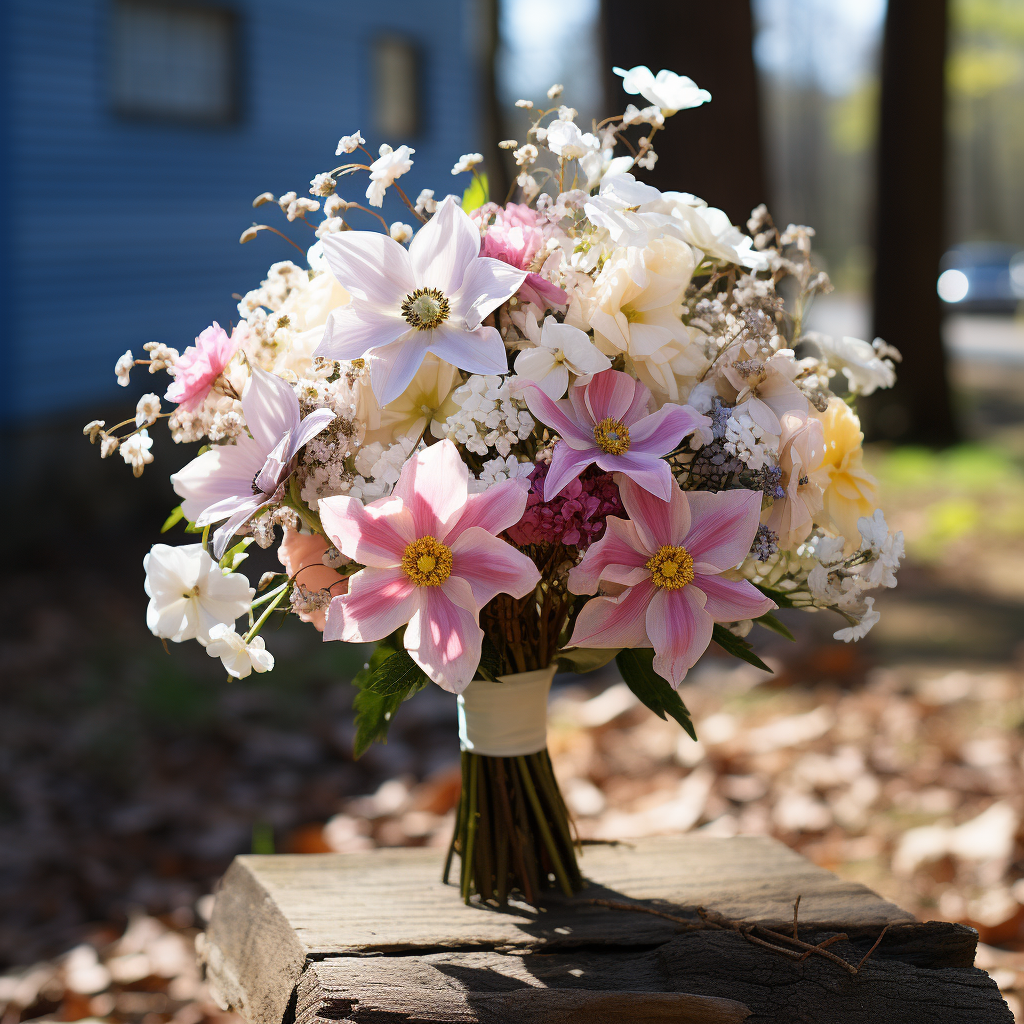
- Colonial Cascade Bouquets: Inspired by 18th-century posies, these feature a loose, cascading arrangement of roses, herbs (rosemary, lavender), and foliage, often tied with silk ribbons.
- Rose and Succulent Combinations: Adding succulents provides a textural contrast and a nod to modern sustainability.
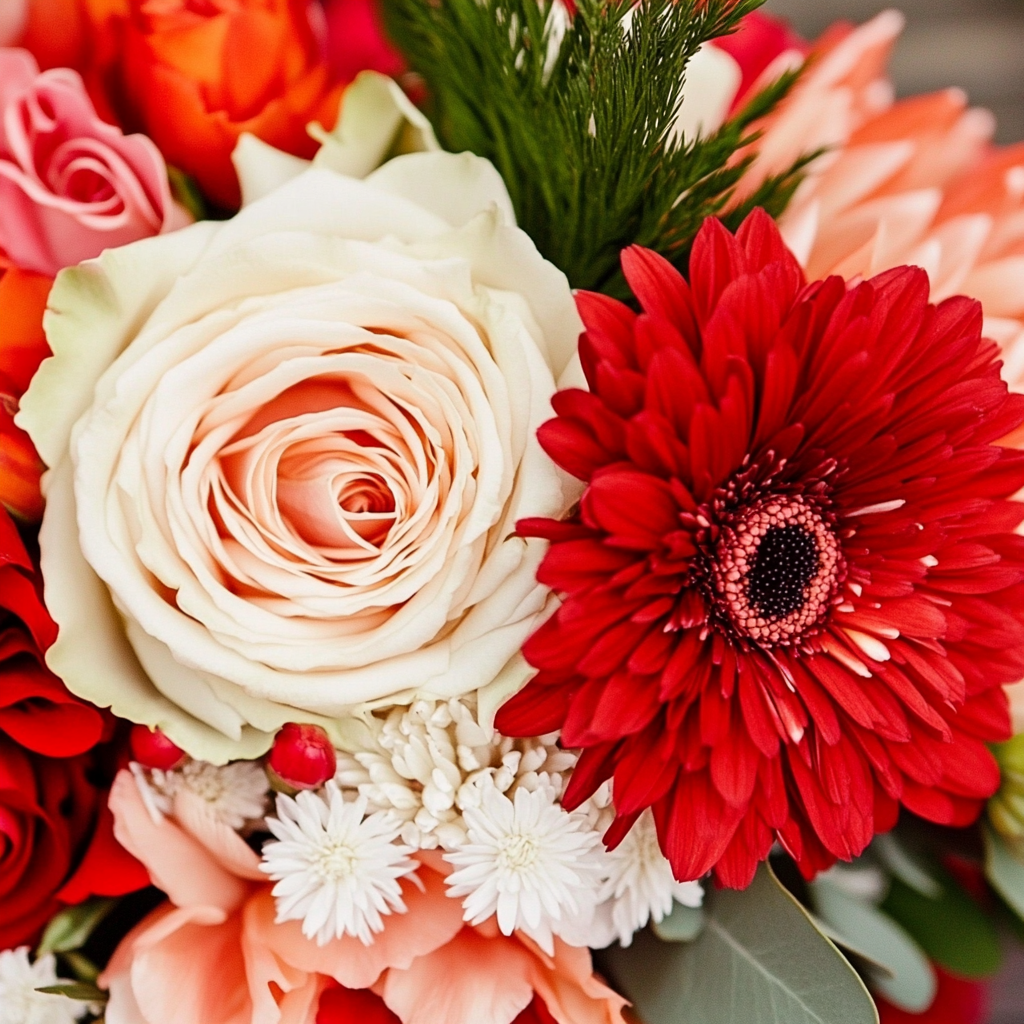
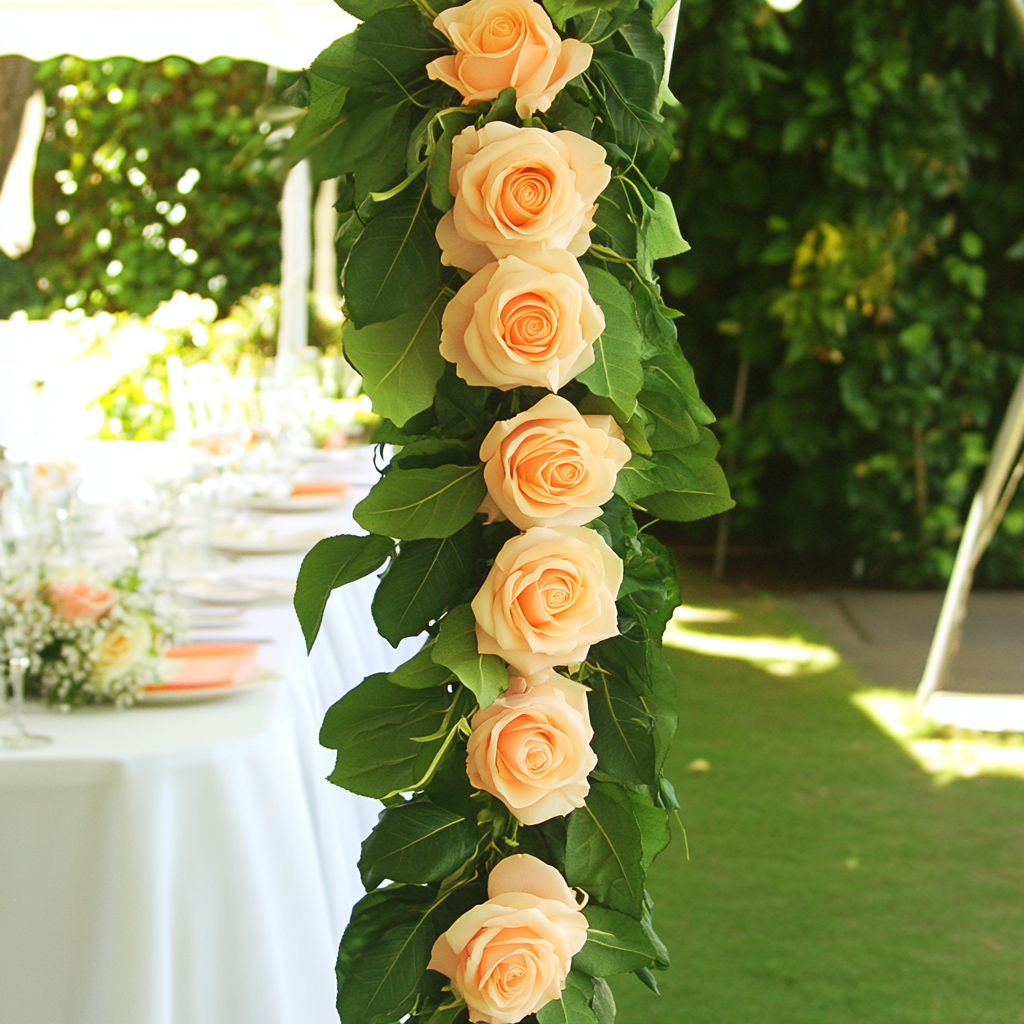
- Monochromatic Rose Palettes: Utilizing varying shades of a single rose color (e.g., blush, peach, or crimson) for a sophisticated and elegant look.
- Rose & Chesapeake Charm: Incorporating elements reflective of the Chesapeake Bay region, like oyster shell accents in centerpieces, or tying bouquets with