Sacred Blooms: Floral Traditions & Modern Grace at Washington National Cathedral
Did you know that the very stones of Washington National Cathedral whisper stories of centuries of faith, artistry, and even horticultural history? Beyond its awe-inspiring Gothic architecture, the Cathedral provides a uniquely resonant space for weddings and ceremonies, demanding floral designs that not only complement its grandeur but also honor the spiritual weight of the occasion. More than simply decoration, florals within these hallowed walls become a visible expression of reverence, hope, and enduring love – often deeply interwoven with the region’s rich botanical and cultural heritage.
A Living History: Tradition & Symbolism
The tradition of adorning sacred spaces with flowers dates back to ancient civilizations, symbolizing offerings to deities and celebrating life’s milestones. Within the Christian tradition, flowers took on deeper symbolic meaning during the medieval period, with specific blooms representing virtues and religious concepts. This symbolism continues to influence floral design today. At the National Cathedral, this manifests in carefully considered choices: lilies representing purity, roses signifying love, and ferns embodying sincerity. However, the Cathedral’s location in Washington, D.C. and its proximity to the Chesapeake Bay and Virginia’s historic gardens, adds layers of localized meaning.
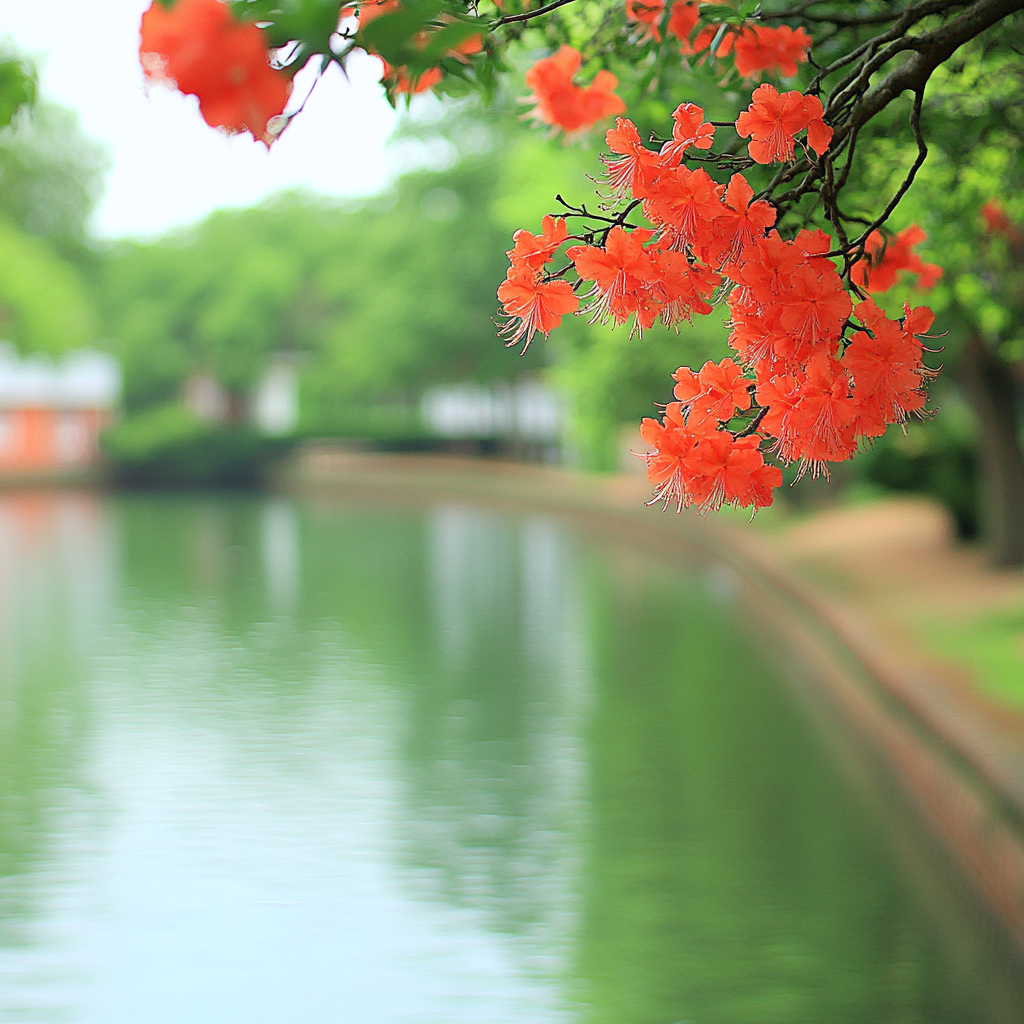
Consider the influence of the District’s famed cherry blossoms. While not traditionally within the Cathedral itself due to the liturgical calendar, the annual National Cherry Blossom Festival (drawing over 1.5 million visitors annually according to the National Park Service ) profoundly impacts the aesthetic sensibility of spring weddings. Brides often request palettes echoing the soft pinks and whites, incorporating branches of flowering cherry or peach as a subtle nod to this iconic DC ritual, symbolizing renewal and fleeting beauty.
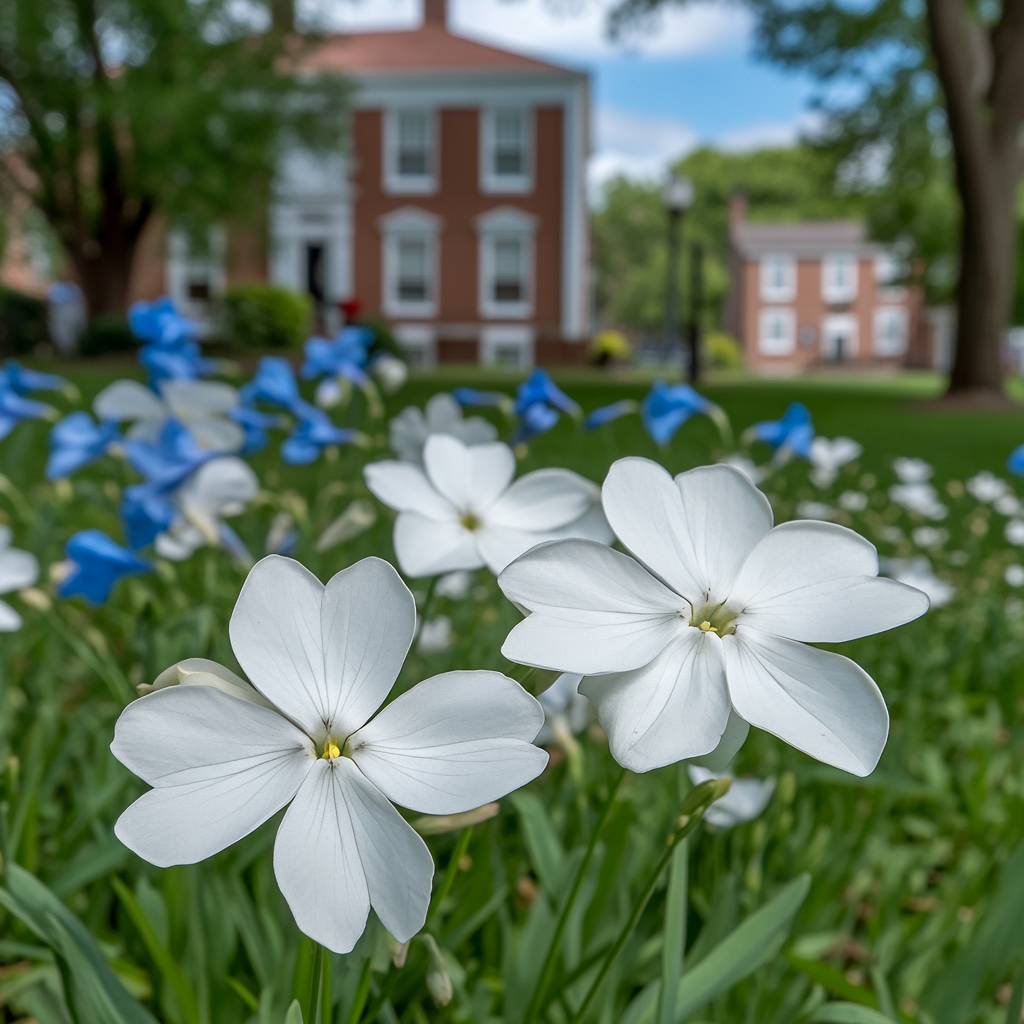
Further south, in Virginia, the dogwood – the state flower – holds a special place in wedding traditions. “In 18th-century Virginia plantations, dogwood branches were frequently used in bridal bouquets,” explains floral historian Dr. Eleanor Vance in her book, Southern Blossoms: A History of Floral Symbolism (2018). “They represented resilience and faith, qualities highly valued in the colonial era.” Modern brides are increasingly revisiting these roots, opting for arrangements featuring locally-sourced dogwood, often paired with other native blooms like Virginia bluebells and azaleas.
Maryland’s Maritime & Colonial Influences
Maryland, with its strong ties to the Chesapeake Bay, contributes another distinctive element. The use of oyster shells as vases, a practice originating with early settlers who utilized readily available materials, is experiencing a revival. “Chesapeake Bay brides are embracing this ‘coastal charm’ aesthetic,” says Masha Hamilton, owner of Flowers by Masha, a leading floral design firm specializing in Cathedral weddings. “The organic texture of the shells adds a unique touch, connecting the celebration to the region’s maritime heritage.” (Flowers by Masha has designed over 200 wedding arrangements for the National Cathedral in the past decade.)
Furthermore, the Victorian-era practice of ‘floriography’ – the art of communicating messages through flowers – remains surprisingly popular. Maryland, with its rich Victorian architecture and history, is a hotbed for this trend. Corsages and small bouquets still incorporate specific blooms to convey sentiments like loyalty (camellias), enduring affection (pansies), or gratefulness (hydrangeas). A recent survey by The Knot (2023) showed a 15% increase in couples requesting floriography-inspired arrangements.
Cathedral-Inspired Designs: A Case Study – Tudor-Style English Garden Arrangement
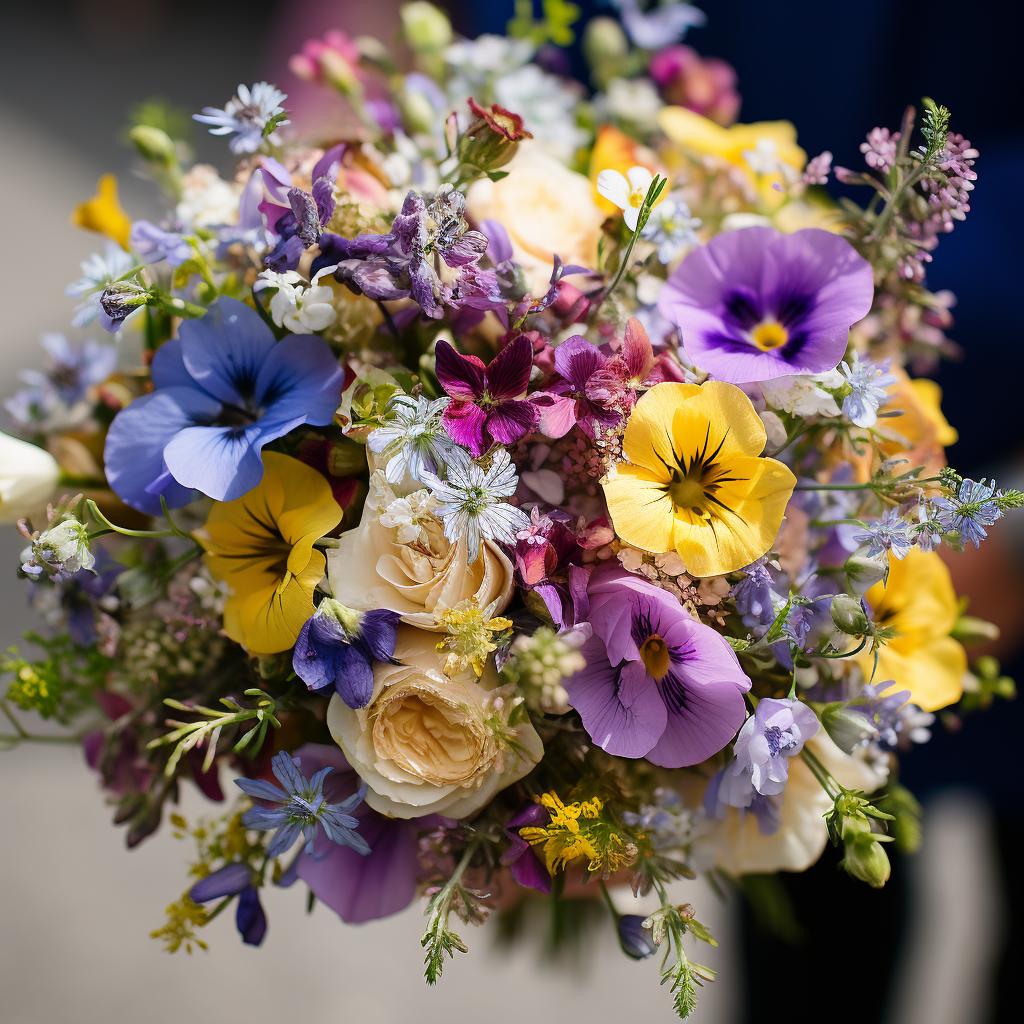
Flowers by Masha recently created a stunning “Tudor-Style English Garden Arrangement” for a wedding at the National Cathedral. This design, photographed extensively and featured in Brides & Bloom magazine (Spring 2024), exemplifies the blending of tradition and modern aesthetics. The arrangement, displayed flanking the altar, featured a loose, asymmetrical cascade of roses (David Austin varieties in shades of blush and cream), delphiniums, sweet peas, and trailing ivy.
Data Points: The Tudor-Style Arrangement
- Total Bloom Count: Approximately 800 stems
- Floral Cost: $3,500 (reflecting the premium quality of the roses and the labor-intensive design)
- V