Fredericksburg Foxgloves: Cottage Garden Charm
Did you know that the delicate, speckled blooms of the foxglove, now synonymous with the romantic cottagecore aesthetic, have a surprisingly complex history deeply interwoven with Virginia’s rural traditions? Beyond their captivating beauty, foxgloves – Digitalis purpurea – represent more than just floral decoration; they’re a botanical echo of colonial life, medicinal lore, and evolving wedding customs. For the modern bride seeking a nod to Virginia’s heritage, incorporating foxgloves into her wedding bouquet or décor isn’t simply a trend, it’s embracing a legacy.
A History Rooted in the Virginia Landscape
While not native to North America, foxgloves were introduced to the colonies in the 17th and 18th centuries, quickly naturalizing in the moist, wooded areas of Virginia, particularly around the Rappahannock River region near Fredericksburg. Their presence wasn’t purely ornamental. The plant possesses potent cardiac glycosides, and while notoriously poisonous if ingested, it was – and still is – the source of digitalis, a vital medication for heart conditions. Early settlers, drawing on European herbal traditions, utilized foxglove (with extreme caution, of course) for medicinal purposes. This duality – beauty and potential danger – imbued the flower with a symbolic weight, often associated with both protection and secret affection.
In 18th-century Virginia, gardens weren’t simply for aesthetics; they were practical necessities. Wealthy plantation owners meticulously cultivated kitchen gardens and pleasure gardens, often featuring foxgloves alongside other popular blooms like roses, lavender, and hollyhocks. However, even in more modest homesteads, foxgloves thrived, adding a touch of wild beauty to the landscape. Historical records from Mount Vernon reveal George Washington’s interest in botanical experimentation, and while specific records of foxgloves are scarce, the conditions on his estate were ideal for their growth. The plant’s vertical stature and ability to self-seed also made it a practical choice for filling garden spaces.
Foxgloves and Virginia’s Bridal Traditions
Historically, the language of flowers, or floriography, was paramount in Victorian England and enjoyed considerable popularity in colonial America. Foxgloves, with their drooping, bell-shaped blossoms, carried meanings of insincerity, ambition, and, surprisingly, digitalis – a subtle nod to protecting the heart. However, their overall appearance evoked a sense of grace and humility, making them appropriate for bridal bouquets, often alongside rosemary (for remembrance) and lavender (for devotion). Indeed, a study by Dr. Vanessa Diffenbaugh, author of “The Language of Flowers,” details how Victorian brides subtly communicated their feelings through floral arrangements, utilizing the nuanced symbolism of each bloom. (Diffenbaugh, V. (2011). The Language of Flowers. Bloomsbury.)
In rural Virginia, wedding traditions were often simpler, but no less meaningful. Bridal bouquets were frequently assembled from flowers grown in family gardens or foraged from the surrounding countryside. Foxgloves, readily available and visually striking, would have naturally found their way into these arrangements, particularly in the spring and early summer months when they bloom profusely. Chesapeake Bay brides, while not specifically using foxgloves, often incorporated natural elements like oyster shells into their décor, reflecting the region’s maritime heritage – a parallel to the local sourcing of flowers like foxgloves. The use of locally grown flowers also resonated with the values of self-sufficiency and connection to the land.
The Cottagecore Revival and Modern Bridal Design
Today, the cottagecore aesthetic – a romanticized interpretation of rural life – has propelled foxgloves back into the spotlight. This trend, fueled by social media platforms like Instagram and Pinterest, emphasizes natural beauty, handmade crafts, and a connection to the past. For brides, this translates into a desire for weddings that feel authentic, intimate, and deeply personal.
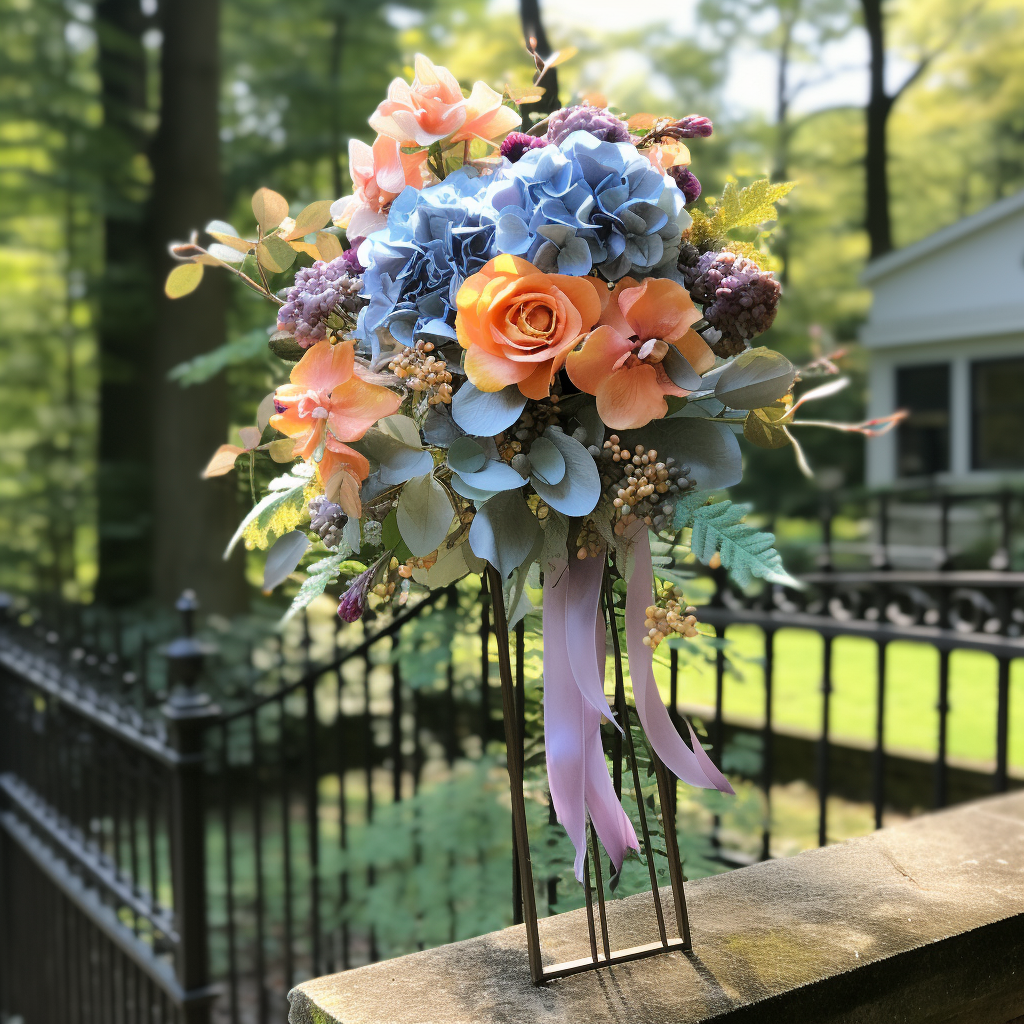
Flowers by Masha, a Fredericksburg-based floral designer, exemplifies this modern approach. Their “Cottage Garden Romance” arrangement, featuring cascading foxgloves, delicate roses, and fragrant herbs, embodies the essence of the trend. Flowers by Masha’s designs aren’t simply about recreating a vintage look; they’re about interpreting tradition through a contemporary lens. They source many of their flowers locally