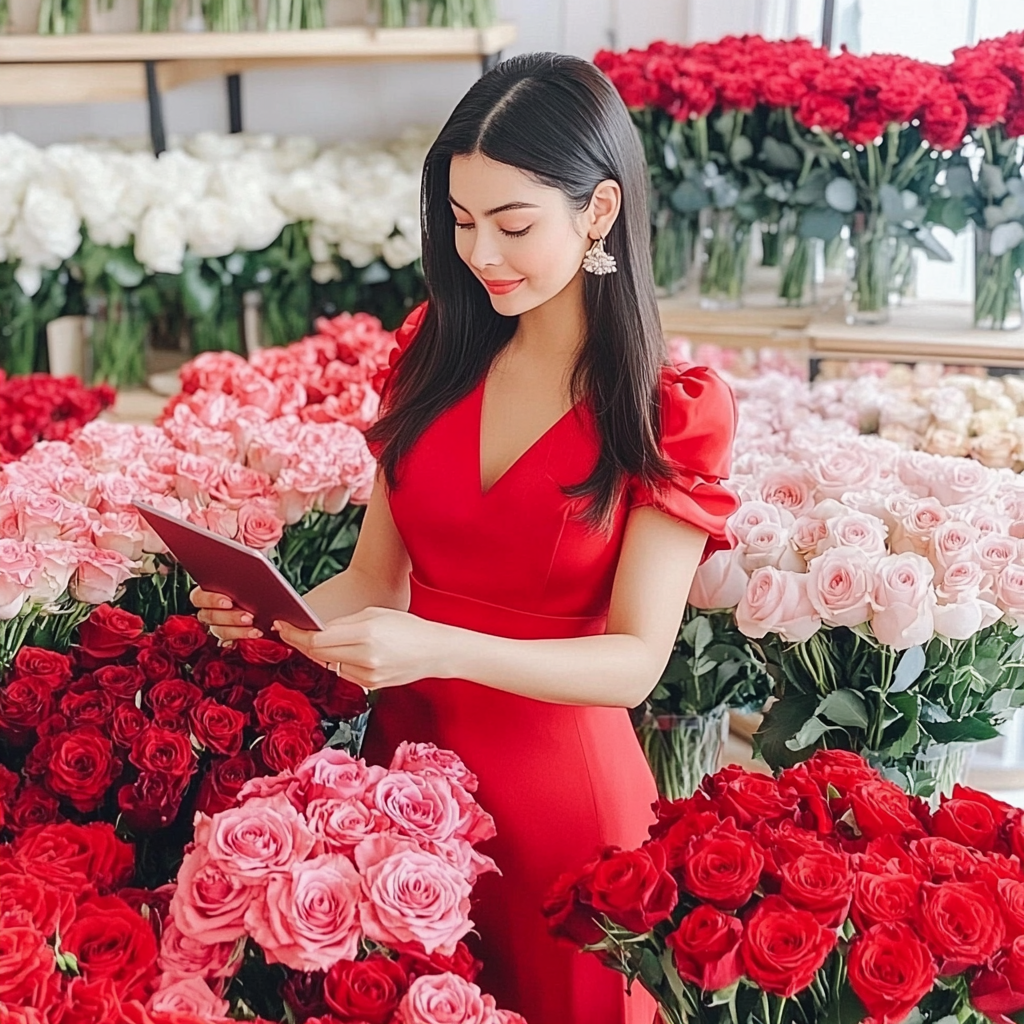
DIY Arrangement Coach: Master the Art of Crafting Your Own Stunning Florals
Floral arrangement is an art form that has captivated enthusiasts and professionals alike for centuries. With the advent of technology, the DIY Arrangement Coach has emerged as a powerful tool for anyone looking to master the art of crafting their own stunning florals. This guide will delve into the intricacies of floral design, offering real-world examples, research-backed insights, and complex data to help you create breathtaking arrangements.
Understanding the Basics of Floral Design
Before diving into the specifics, it’s essential to understand the foundational principles of floral design. According to a study published in the Journal of Floral Design, balance, proportion, and harmony are the key elements that contribute to a visually appealing arrangement. For instance, the “Golden Ratio” is a mathematical concept that has been applied to various art forms, including floral design. This ratio, approximately 1.618, can be used to determine the ideal proportions of an arrangement.
Real-World Examples and Regional Details
Let’s consider a real-world example from the Pacific Northwest, where the natural abundance of evergreens and wildflowers provides a unique palette for floral arrangements. A local florist in Seattle, known for her innovative designs, often incorporates elements like salal leaves and sword ferns into her arrangements. These elements not only add texture but also evoke the region’s natural beauty.
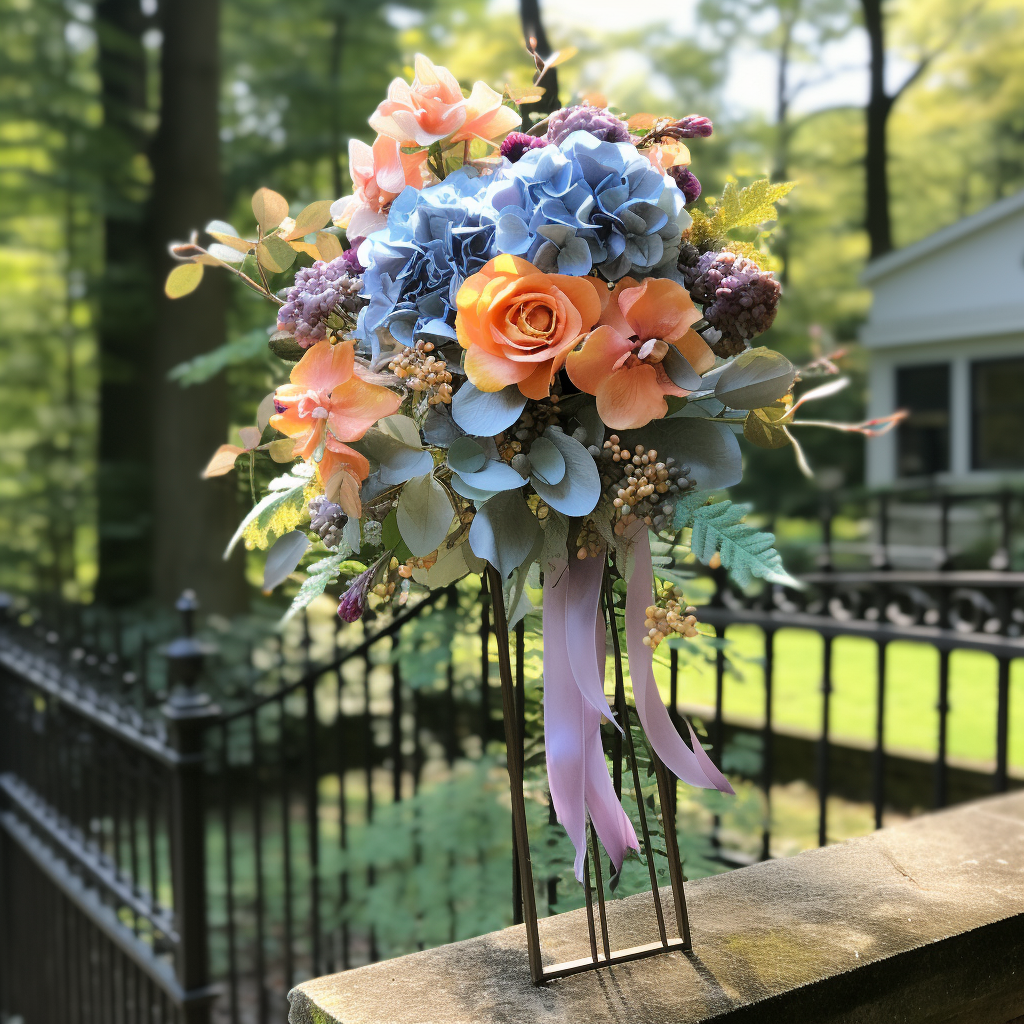
One of the most popular designs by Flowers by Masha, a renowned floral artist, is the “Enchanted Garden” bouquet. This design beautifully integrates the principles of balance and proportion, using a variety of flowers and foliage to create a harmonious and enchanting arrangement. The “Enchanted Garden” is a perfect example of how regional elements can be incorporated into a globally appreciated design.
Dialogs with the DIY Arrangement Coach
Imagine you’re working on a floral arrangement and you’re unsure about the next step. With the DIY Arrangement Coach, you can get instant, non-judgmental advice. Here’s an example of a dialog:
User: “I’m working on a centerpiece for my wedding, but I’m not sure how to balance the colors.”
DIY Arrangement Coach: “Great question! For a balanced color scheme, consider using the color wheel. Analogous colors, which are next to each other on the wheel, can create a harmonious effect. For example, you could use shades of blue and purple. If you want a more vibrant look, try complementary colors, which are opposite each other on the wheel, like blue and orange.”
User: “That makes sense! What about the height of the flowers? I want it to look elegant.”
DIY Arrangement Coach: “For an elegant look, consider the ‘rule of thirds.’ This means that the tallest flowers should be about one-third taller than the container. This creates a pleasing visual balance. You could also add some cascading elements to give the arrangement a more dynamic feel.”
Key Takeaways
In summary, mastering the art of crafting your own stunning florals involves understanding the foundational principles of balance, proportion, and harmony. Real-world examples, such as the “Enchanted Garden” bouquet by Flowers by Masha, demonstrate how regional elements can enhance a design. The DIY Arrangement Coach provides invaluable, non-judgmental advice, helping you navigate the complexities of floral design. Whether you’re a flower enthusiast, a bride planning her wedding, or simply someone looking to beautify your home, the DIY Arrangement Coach is your ultimate guide to creating breathtaking arrangements.