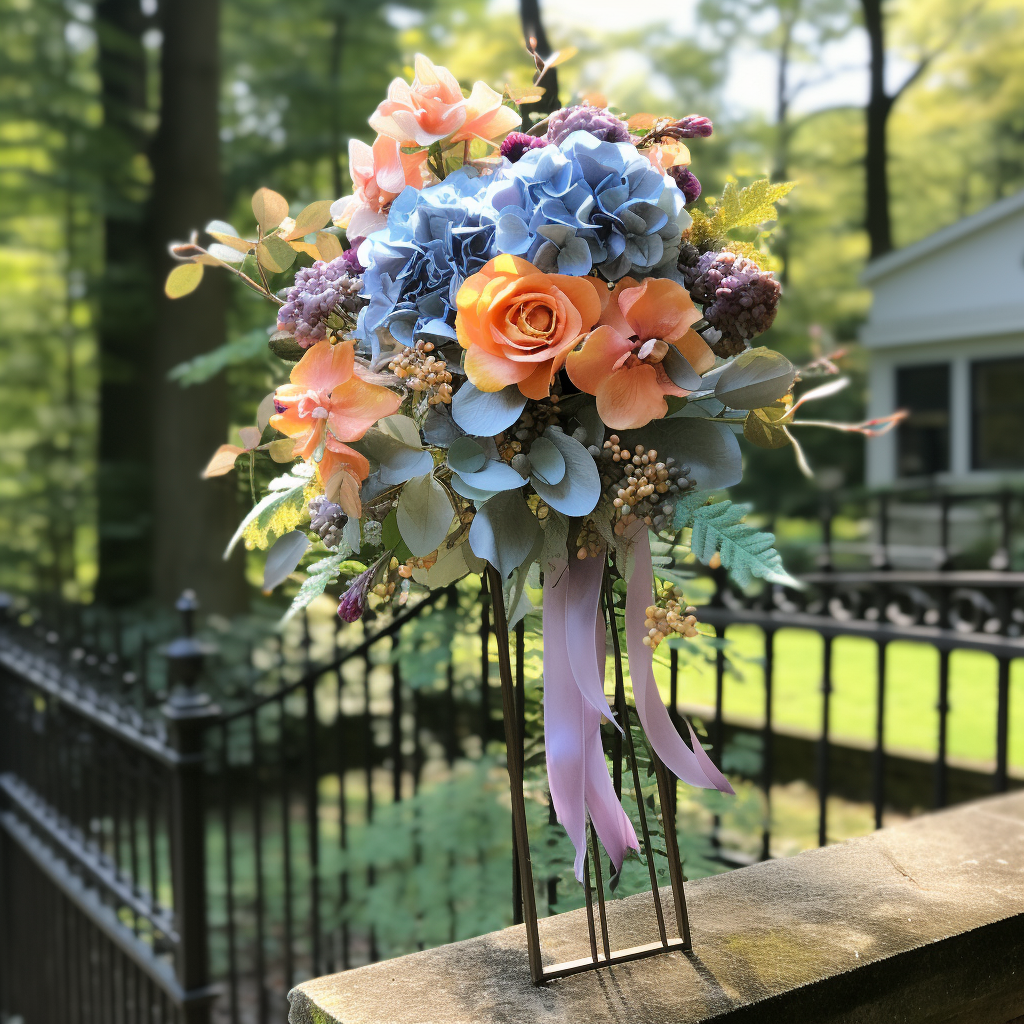
The Language of Love: Unveiling the Symbolism and Art of Bridal Bouquets
Flowers have always been more than mere decoration; they are vessels of emotion, silent storytellers woven into the fabric of our most significant life events. For a bride, a bridal bouquet isn’t simply an accessory, but a carefully curated expression of her love, hopes, and personality. At Flowers by Masha, we believe in the power of flowers to transcend aesthetics, offering arrangements that resonate with deep meaning and create lasting memories. This article delves into the captivating world of wedding bouquet symbolism, exploring the historical roots, seasonal considerations, color psychology, and modern trends that shape the perfect floral statement.
The Ancient Language of Flowers – Floriography
The practice of assigning meanings to flowers, known as floriography, flourished in Victorian England, where social constraints limited open expressions of emotion. Flowers became a secret language of love and longing. While the strict Victorian code has relaxed, the underlying symbolism persists. Understanding these meanings allows a bride to intentionally communicate her feelings through her bouquet. For example, roses, universally recognized, symbolize love and passion, with different colors carrying nuanced messages – red for passionate love, pink for gratitude and admiration, and white for purity and innocence. Peonies, with their lush blooms, represent prosperity, good fortune, and a happy marriage. Lilies, particularly white lilies, signify purity, commitment, and rebirth. Calla lilies embody simplicity and sophistication, making them popular for contemporary weddings. Their elegant, sleek design perfectly complements minimalist aesthetics.
Seasonal Blooms: Honoring Nature’s Rhythm
Choosing flowers that are in season isn’t just about cost-effectiveness; it’s about honoring the natural rhythm of the year and ensuring the freshest, most vibrant blooms. Availability dramatically impacts both price and quality.
- Spring (March-May): Tulips (perfect love), hyacinths (constancy), daffodils (new beginnings), and lilacs (first love) are abundant.
- Summer (June-August): Sunflowers (adoration), dahlias (dignity and elegance), zinnias (lasting affection), and garden roses offer a vibrant palette.
- Autumn (September-November): Chrysanthemums (loyalty and devotion), asters (love and patience), and dahlias continue to shine.
- Winter (December-February): Amaryllis (pride and radiant beauty), camellias (love, affection, and admiration), and hellebores (serenity) provide elegance in colder months.
A skilled florist, like those at Flowers by Masha, can expertly guide you in selecting flowers that are both beautiful and seasonally appropriate for your wedding date. We understand the nuances of sourcing the freshest blooms, even during off-peak seasons, ensuring your bouquet is a masterpiece.
The Power of Color: A Psychological Palette
Color psychology plays a crucial role in conveying the desired mood and message. The colors chosen for a bridal bouquet can subtly influence the overall ambiance of the wedding.
- White: Represents purity, innocence, and new beginnings – a classic choice for traditional brides.
- Red: Symbolizes passionate love, energy, and courage. A bold statement for a confident bride.
- Pink: Evokes romance, sweetness, and gratitude. Pastel pinks create a gentle, romantic feel.
- Purple: Represents royalty, admiration, and creativity. Deep purples offer a sense of mystery and elegance.
- Yellow: Symbolizes friendship, joy, and optimism. A cheerful choice for a vibrant celebration.
Combining colors strategically can create a harmonious and meaningful bouquet. For instance, a bouquet featuring white roses and lavender sprigs could symbolize a pure love infused with tranquility.
Personalization: Weaving Your Story into the Blooms
Today’s brides are seeking personalized experiences that reflect their unique stories and personalities. Your bouquet is a perfect canvas for this expression. Consider incorporating:
- A Favorite Flower: Including a bloom that