Colonial Blooms: Virginia’s Historic Garden Legacy & Modern Bridal Florals
Did you know Thomas Jefferson meticulously documented his rose varieties at Monticello, even attempting to cultivate them year-round? This dedication to beauty and horticultural innovation is a cornerstone of Virginia’s floral heritage, a legacy that continues to inspire modern bridal design. For brides seeking a touch of timeless elegance, blending the state’s rich gardening history with contemporary trends creates a uniquely captivating aesthetic – a ‘Vintage Glamour’ that speaks to both tradition and personal style.
The Roots of Virginia’s Floral Traditions
Virginia’s relationship with flowers isn’t simply aesthetic; it’s deeply interwoven with its history. During the Colonial period, gardens weren’t solely for pleasure. They were practical – sources of food, medicine, and dye. However, they also quickly became symbols of status and refined taste. Wealthy planters like those at Williamsburg showcased their prosperity through elaborate gardens featuring imported flowers alongside native species. In 18th-century Williamsburg, brides carried rosemary for remembrance, lavender for devotion, and thyme for courage – a practice deeply rooted in the language of flowers, or ‘floriography.’ This wasn’t mere decoration; it was a deliberate communication of hopes and promises for the marriage.
The influence of English garden design is undeniable. Formal, symmetrical layouts, often incorporating boxwood hedges and climbing roses, were popular. However, the Virginia climate allowed for the flourishing of native blooms like dogwood, redbud, and honeysuckle, lending a distinctly American character to the gardens. These native elements, often overlooked in formal arrangements, are experiencing a resurgence in contemporary bridal work, championed by a growing interest in sustainable and locally sourced florals.
From Oyster Shells to Succulents: Bridging the Past & Present
The blending of antique aesthetics with floral design isn’t new. Historically, resourceful brides utilized what was available. In the Chesapeake Bay region, oyster shells – a byproduct of the thriving oyster industry – were frequently employed as elegant, naturally textured vases. This practice, reflecting the coastal charm of the area, demonstrates a commitment to resourceful beauty. Today, designers are revisiting this concept, incorporating vintage glass bottles, silver tea services, and antique porcelain into arrangements.
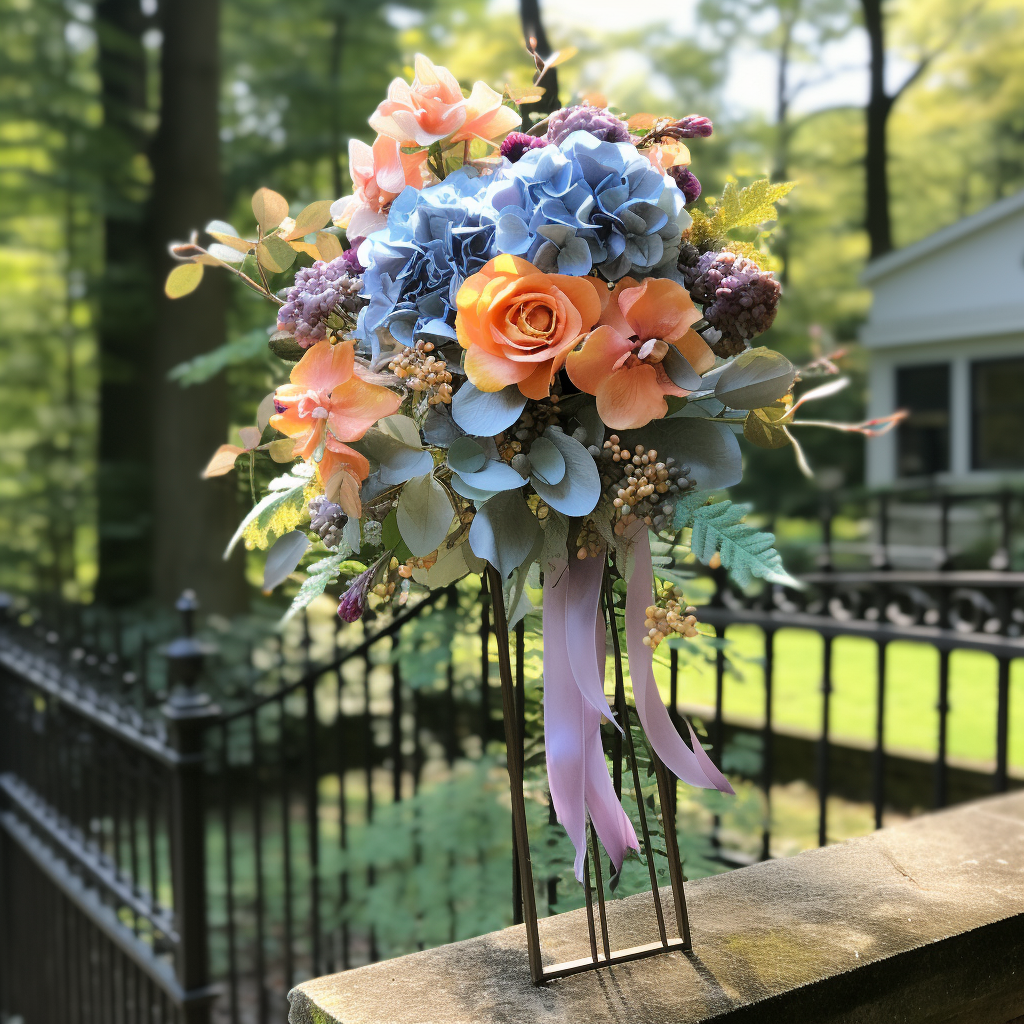
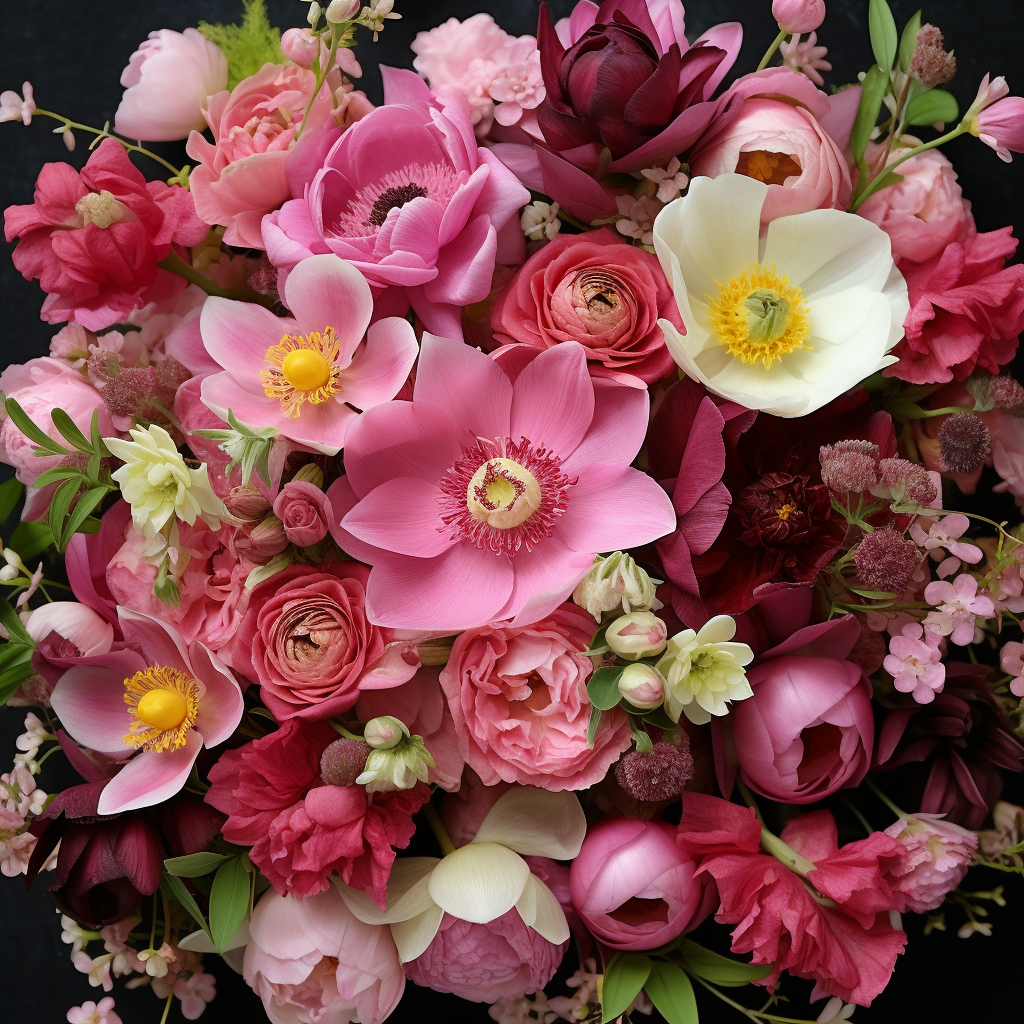
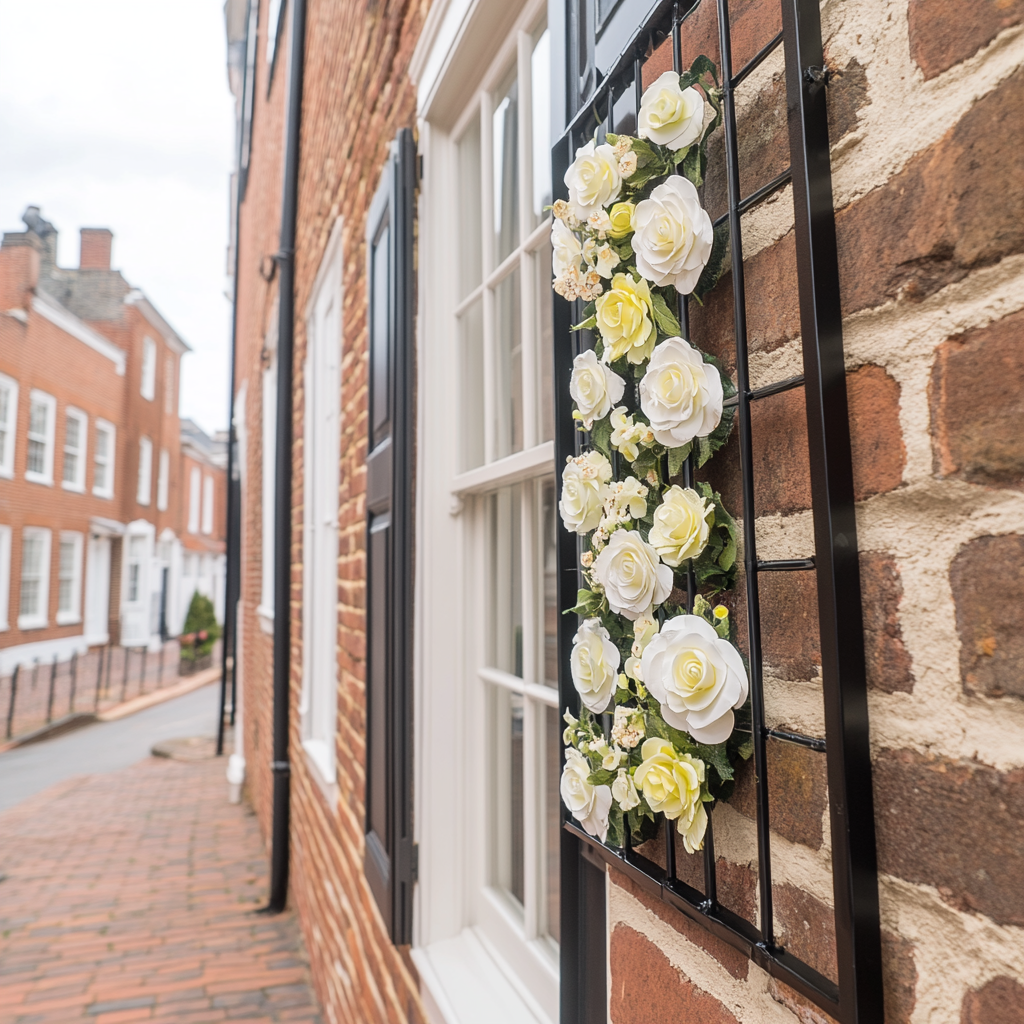
But the evolution doesn’t stop there. While traditional bridal bouquets often featured tightly clustered roses and lilies, modern brides are embracing looser, more organic designs. Colonial bouquets, characterized by their layered textures and varied foliage, are being reimagined with unexpected elements. For example, succulents, though not native to Virginia during the Colonial era, provide a unique textural contrast and a nod to the growing trend of drought-tolerant gardening. A “Tudor-Style English Garden Arrangement,” as exemplified by designs from Flowers by Masha, showcases this beautifully – a lush, romantic bouquet featuring roses, peonies, and trailing greenery, evoking the grandeur of a historic English estate.
Data Point: A 2023 survey by The Knot revealed that 68% of couples are incorporating personalization into their wedding décor, and 42% are specifically seeking out vintage or antique elements. This indicates a strong desire for weddings that feel unique and reflect the couple’s story, aligning perfectly with the ‘Vintage Glamour’ aesthetic.
Seasonal Symbolism & Regional Inspirations
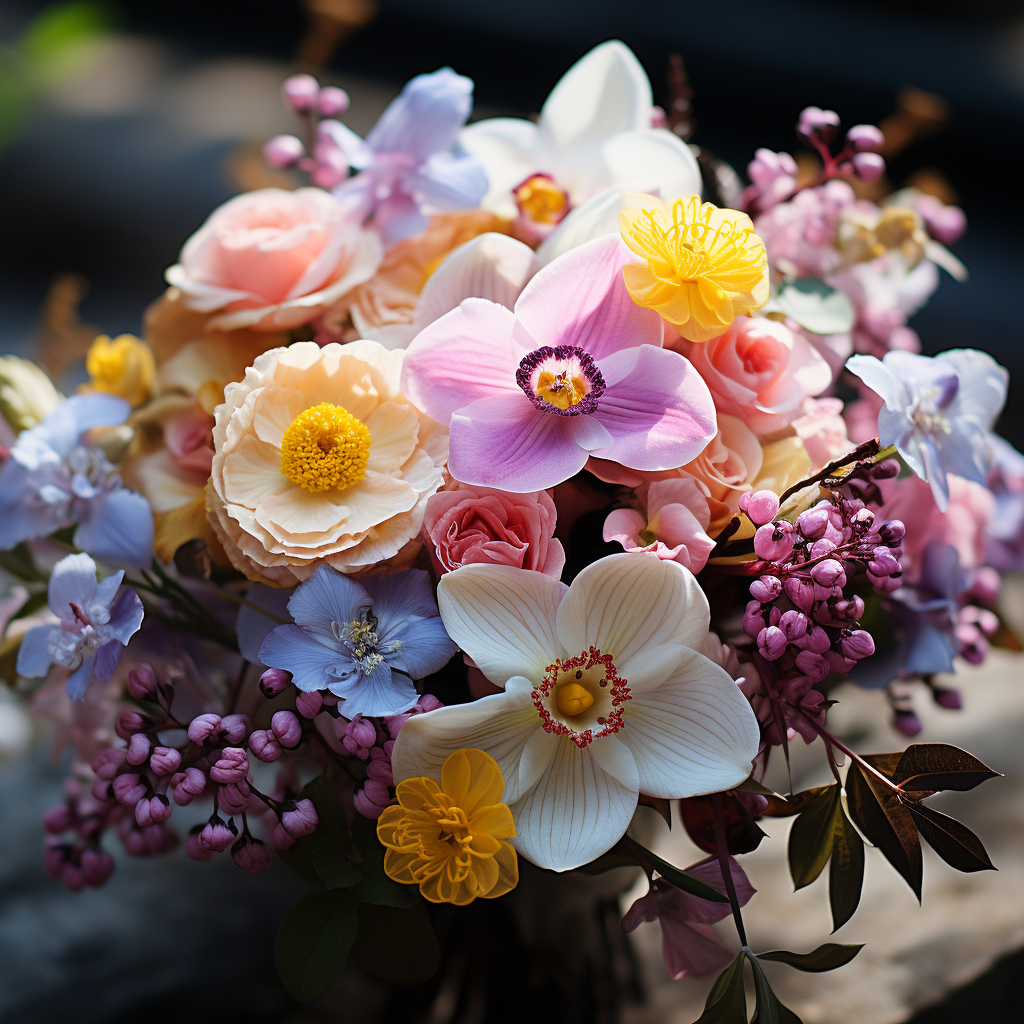
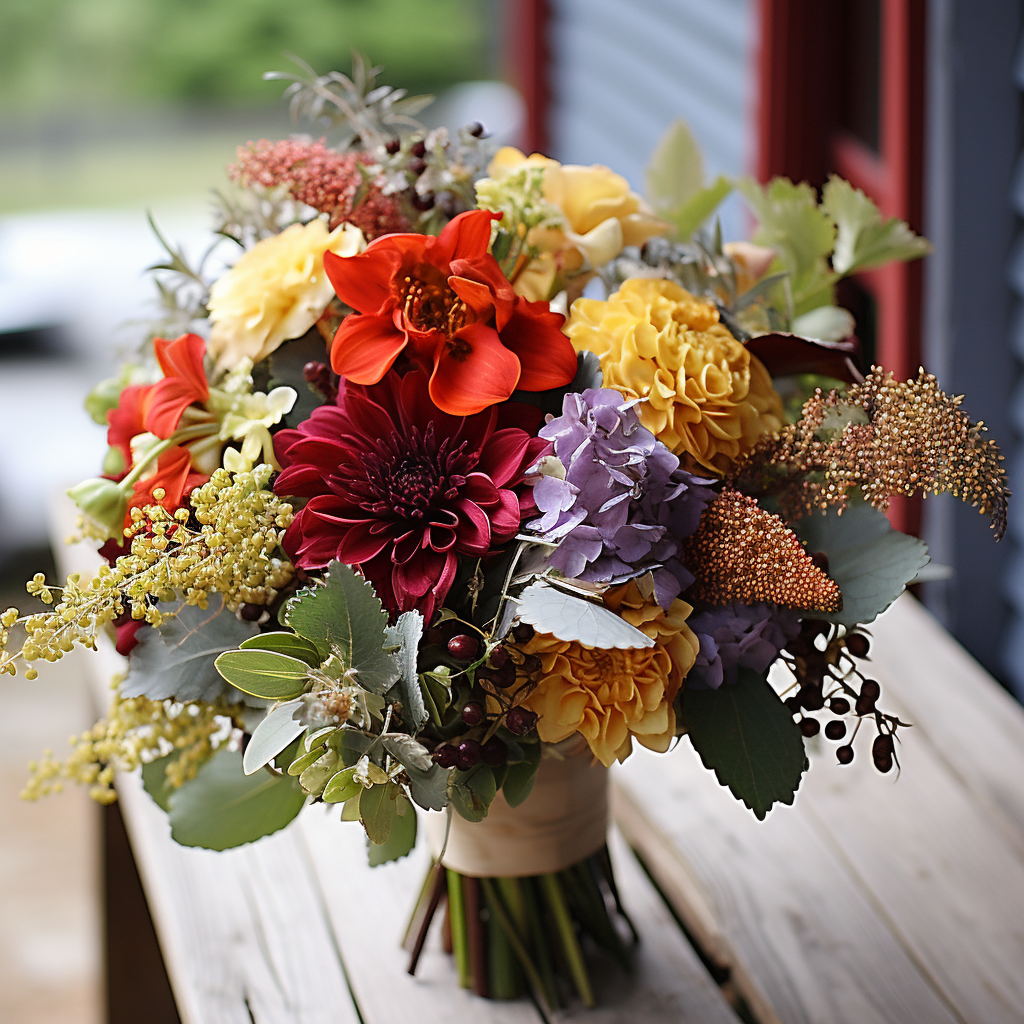
Virginia’s seasons offer distinct floral palettes and symbolic opportunities. Spring weddings naturally lend themselves to the delicate beauty of dogwoods and cherry blossoms – a nod to the transient nature of life and the promise of renewal. Summer celebrations can incorporate vibrant sunflowers, zinnias, and lavender, embodying warmth and abundance. Autumn provides a rich tapestry of color with dahlias, chrysanthemums, and foliage in fiery hues, symbolizing transformation and gratitude. Even winter weddings can be infused with elegance using evergreens, berries, and magnolia blossoms, evoking resilience and enduring love.
The influence of nearby Washington D.C. also adds a unique dimension. DC’s cherry blossom rituals, a celebrated springtime tradition, often inspire bridal color schemes and floral arrangements. The city’s elegant Capitol Hill architecture lends itself to sophisticated, symmetrical designs, often incorporating classic white florals and lush greenery. Annapolis’s Navy Week, with its nautical themes, frequently inspires whimsical floral crowns and arrangements incorporating blue hydrangeas and seashells.
A Sustainable Bloom: Honoring Tradition & the Environment
Increasingly, brides are prioritizing