The Language of Love: Crafting Wedding Flowers with Meaning and Modern Flair
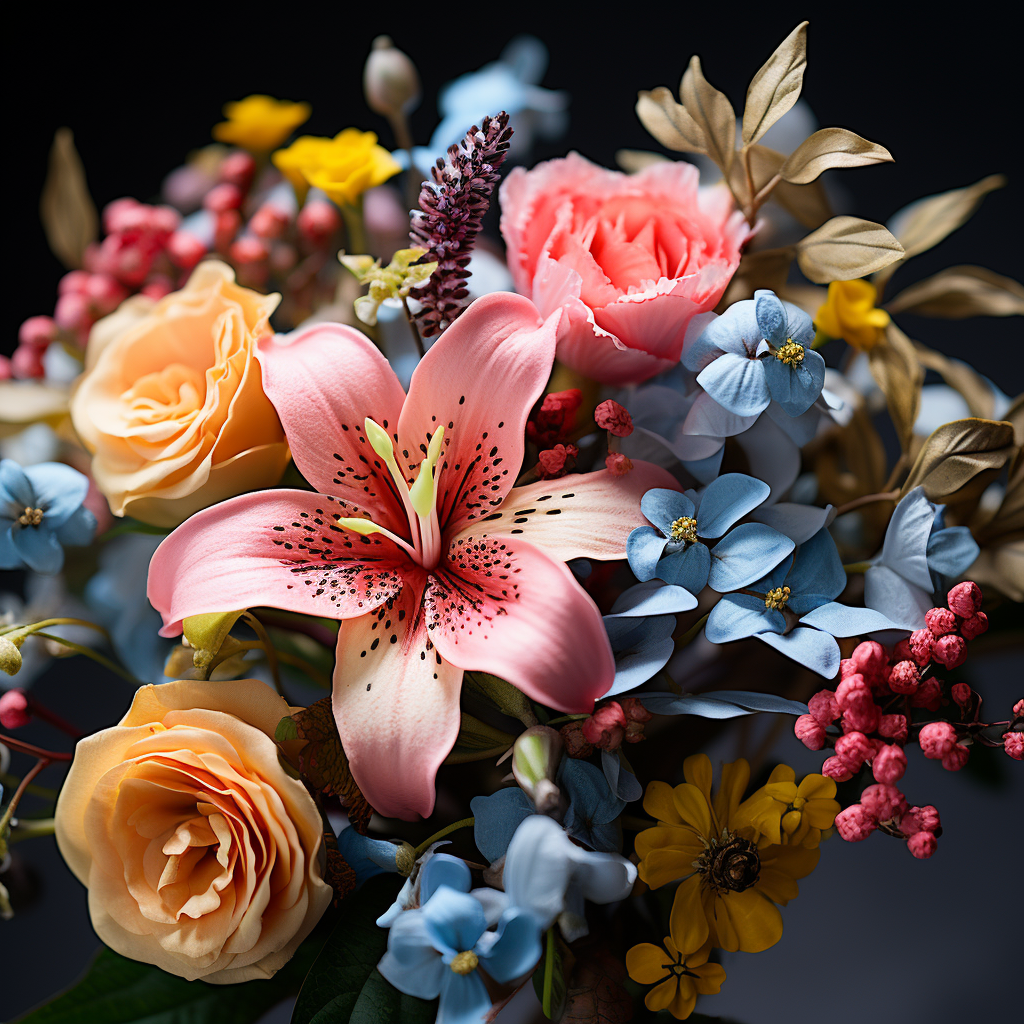
More than mere decoration, wedding flowers weave a silent narrative, expressing emotions, honoring traditions, and reflecting the unique love story of the couple. For centuries, blooms have carried symbolic weight, and a thoughtfully curated floral arrangement can elevate a wedding from beautiful to profoundly meaningful. At Flowers by Masha, we believe in the power of floral storytelling, crafting arrangements that resonate with your personal journey and create lasting memories. This guide explores the rich symbolism of flowers, the importance of seasonality, the psychology of color, and current trends, empowering you to make informed choices for your special day.
The Timeless Language of Flowers
The practice of assigning meaning to flowers, known as floriography, dates back to Victorian England, where societal constraints limited open displays of affection. Flowers became a secret language, allowing lovers to communicate their feelings with subtle nuance. While the strict Victorian code has evolved, the core symbolism endures.
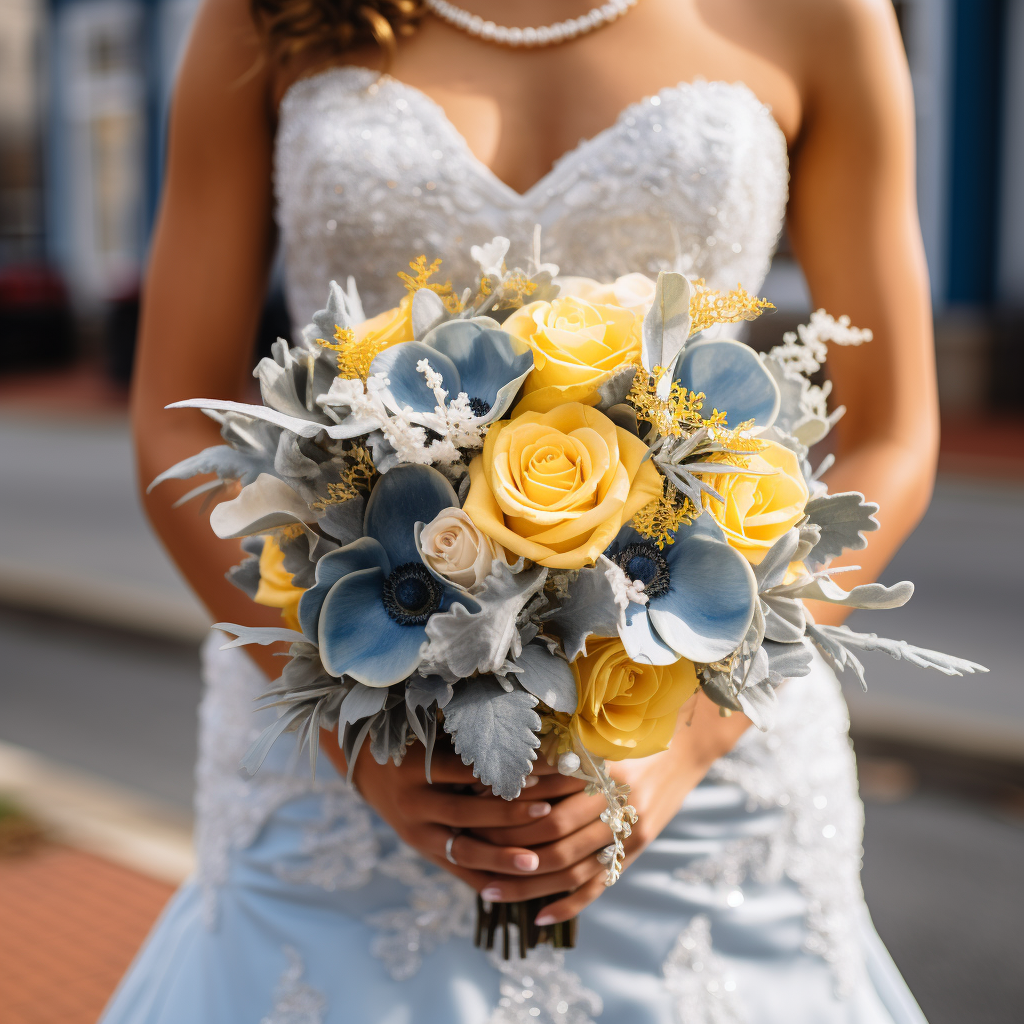
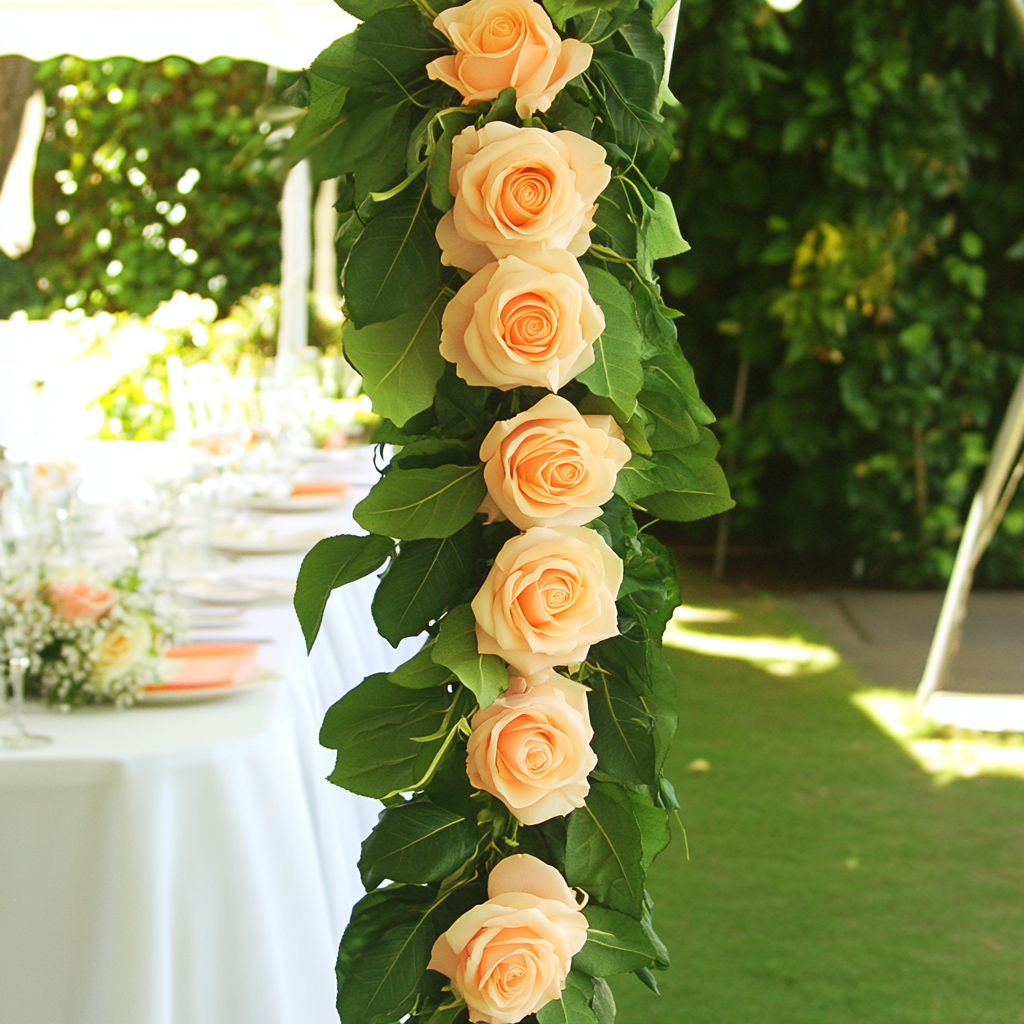
- Roses: Universally recognized as symbols of love and passion, different colors convey varying degrees of emotion. Red roses signify deep love, pink represent admiration and gratitude, white embody purity and innocence, and yellow symbolize friendship.
- Peonies: Representing prosperity, good fortune, and a happy marriage, peonies are a popular choice for brides seeking abundance and a flourishing future.
- Lilies: Often associated with purity, commitment, and rebirth, lilies add an elegant and spiritual touch to wedding arrangements. Consider the variety; Stargazer lilies convey ambition, while white Casablanca lilies symbolize purity.
- Zinnias: Inject playful energy and vibrant color into laid-back wedding themes. Their cheerful disposition symbolizes lasting affection and thoughts of absent friends.
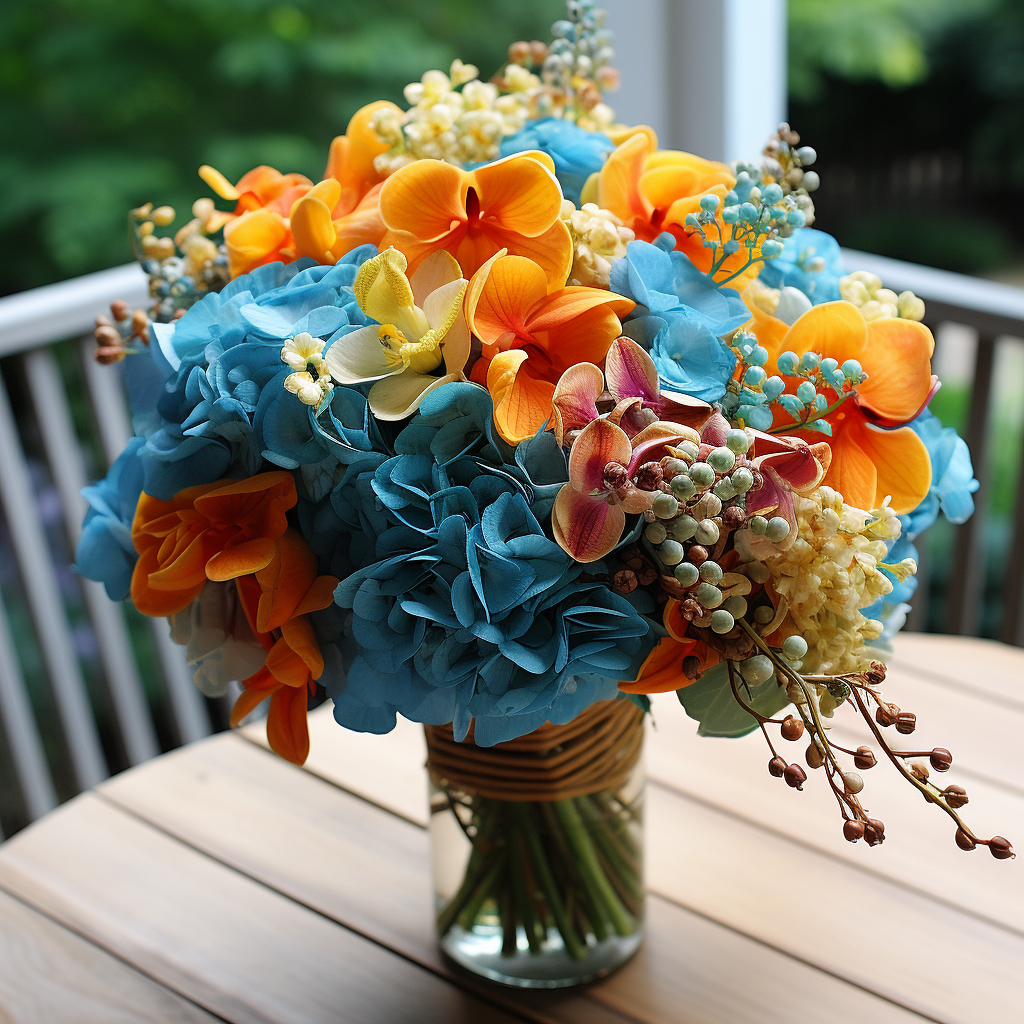
- Hydrangeas: Represent gratitude, grace, and beauty. They can also symbolize heartfelt emotions.
- Baby’s Breath: Signifying innocence and everlasting love, baby’s breath is often used as a filler flower to add a delicate, ethereal quality.
Understanding these foundational meanings allows you to build a floral narrative that reflects your relationship. Consider incorporating flowers that hold personal significance – perhaps a bloom from your first date or a flower that reminds you of a cherished memory.
Seasonal Blooms: A Symphony of Nature’s Timing
Choosing flowers that are in season not only ensures their freshness and vibrancy but also often translates to cost savings. More importantly, seasonal blooms align with the natural rhythm of the year, adding an organic feel to your wedding.
- Spring (March-May): Tulips, hyacinths, daffodils, ranunculus, and lilacs offer a palette of delicate pastels and vibrant hues.
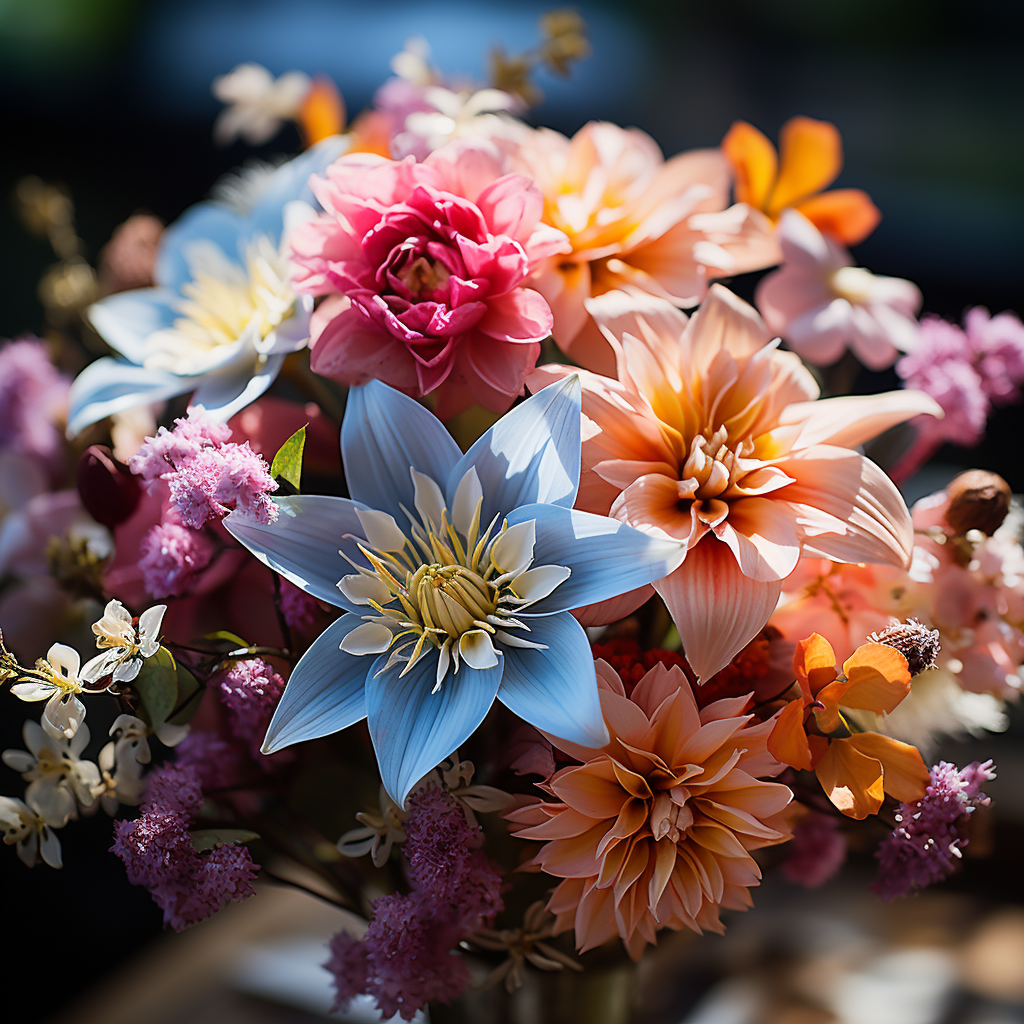
- Summer (June-August): Sunflowers, zinnias, dahlias, garden roses, and hydrangeas thrive in the warmth, providing a bold and abundant selection. Bright shades are particularly striking during summer casual weddings.
- Autumn (September-November): Chrysanthemums, sunflowers, dahlias (again!), and berries offer rich autumnal tones and textures.
- Winter (December-February): Amaryllis, ranunculus, camellias, and evergreen foliage provide elegance and resilience during the colder months.
Our team at Flowers by Masha meticulously plans around seasonal availability, ensuring your wedding flowers are at their peak beauty. We also understand the challenges of sourcing specific blooms out of season and can offer stunning alternatives.
The Psychology of Color in Wedding Florals
Color profoundly impacts mood and perception. In wedding florals, color choices can subtly influence the atmosphere and convey specific emotions.
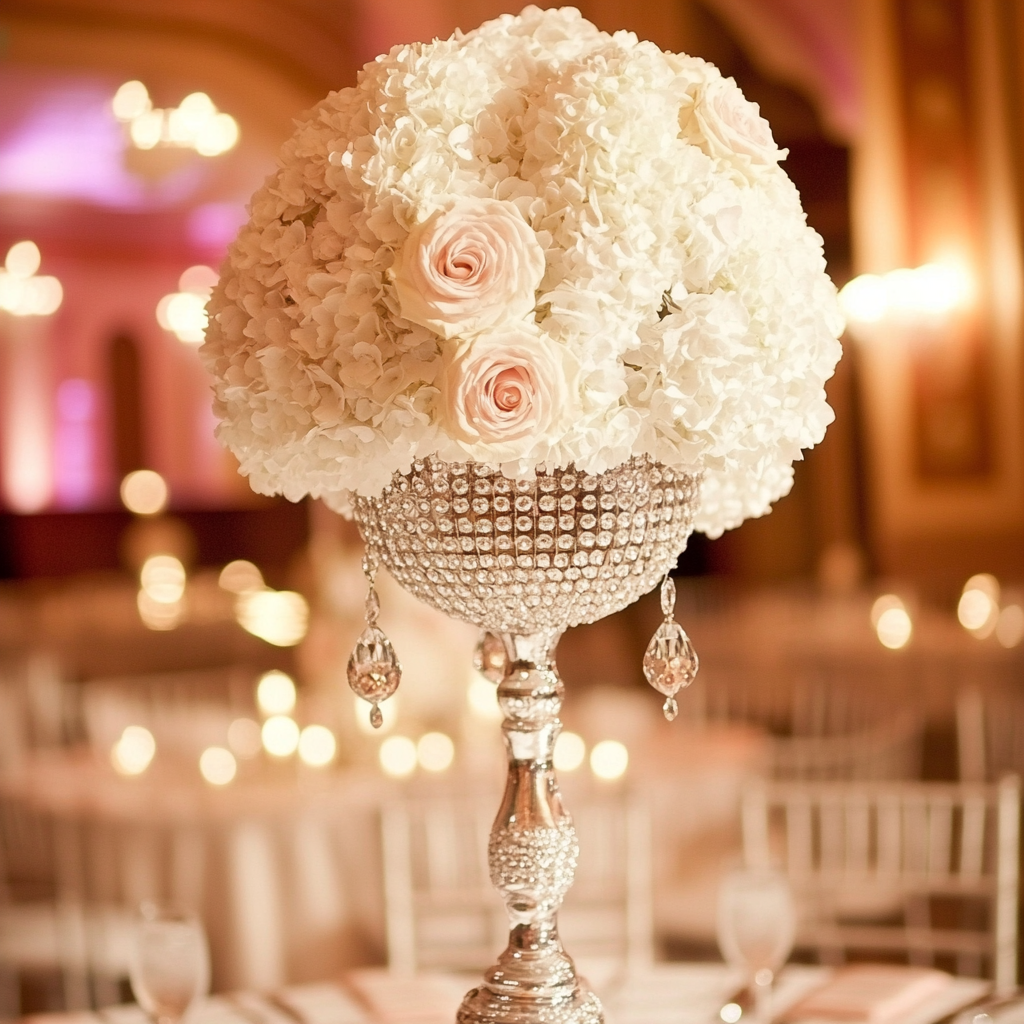
- White: Represents purity, innocence, and new beginnings. A classic choice for traditional weddings.
- Red: Symbolizes passion, love, and energy. Best used as an accent color to avoid overwhelming the senses.
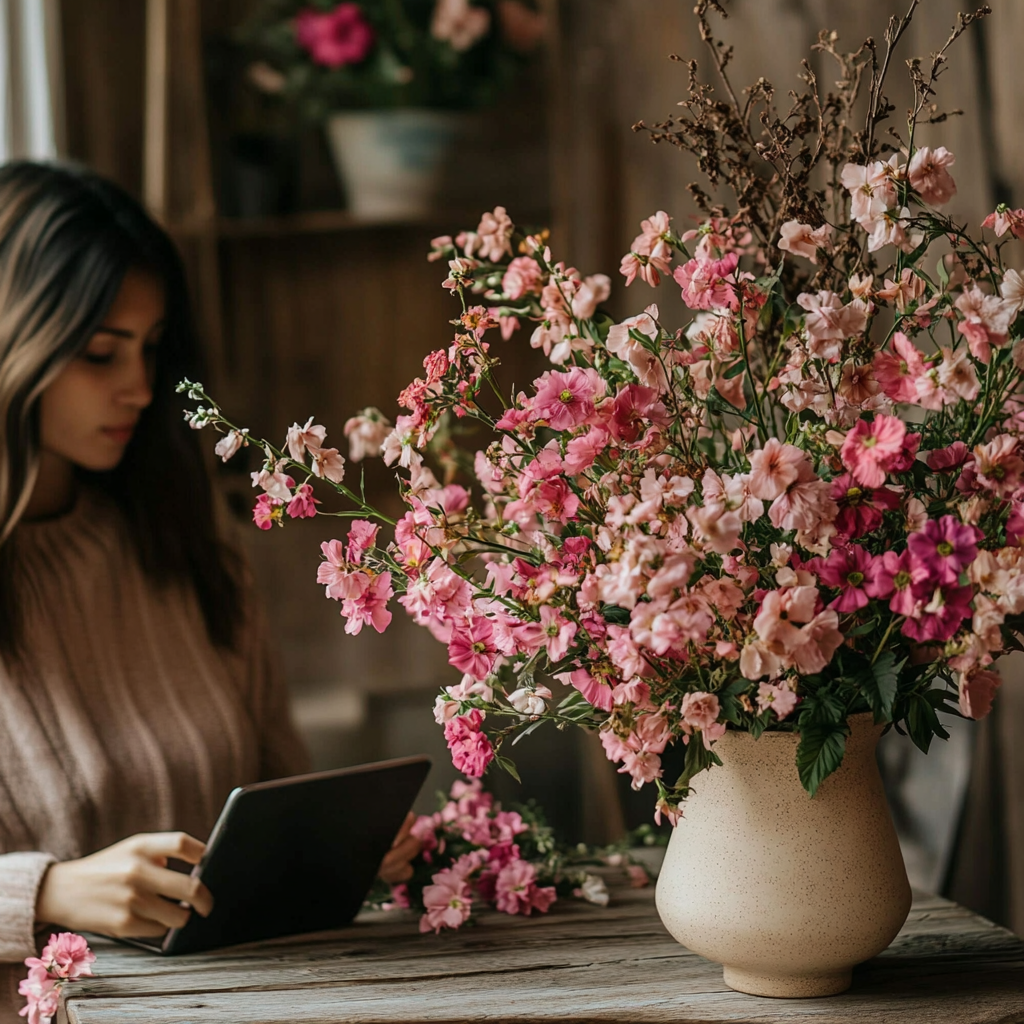
- Pink: Evokes romance, tenderness, and gratitude.